 ASX: OSM · Orión Project
Minerals Hub / Innovation & Technology / Artificial Intelligence
Innovation & Technology · Section 03 of 09
Artificial Intelligence
The industry generates far more measurement than it interprets. Survey lines, assay tables, sensor histories and plant logs accumulate faster than anyone reads them, and that gap is what draws machine learning into minerals work. This section is about the inference layer: the models applied to data the industry already collects, and the judgement about when their output can be relied upon.
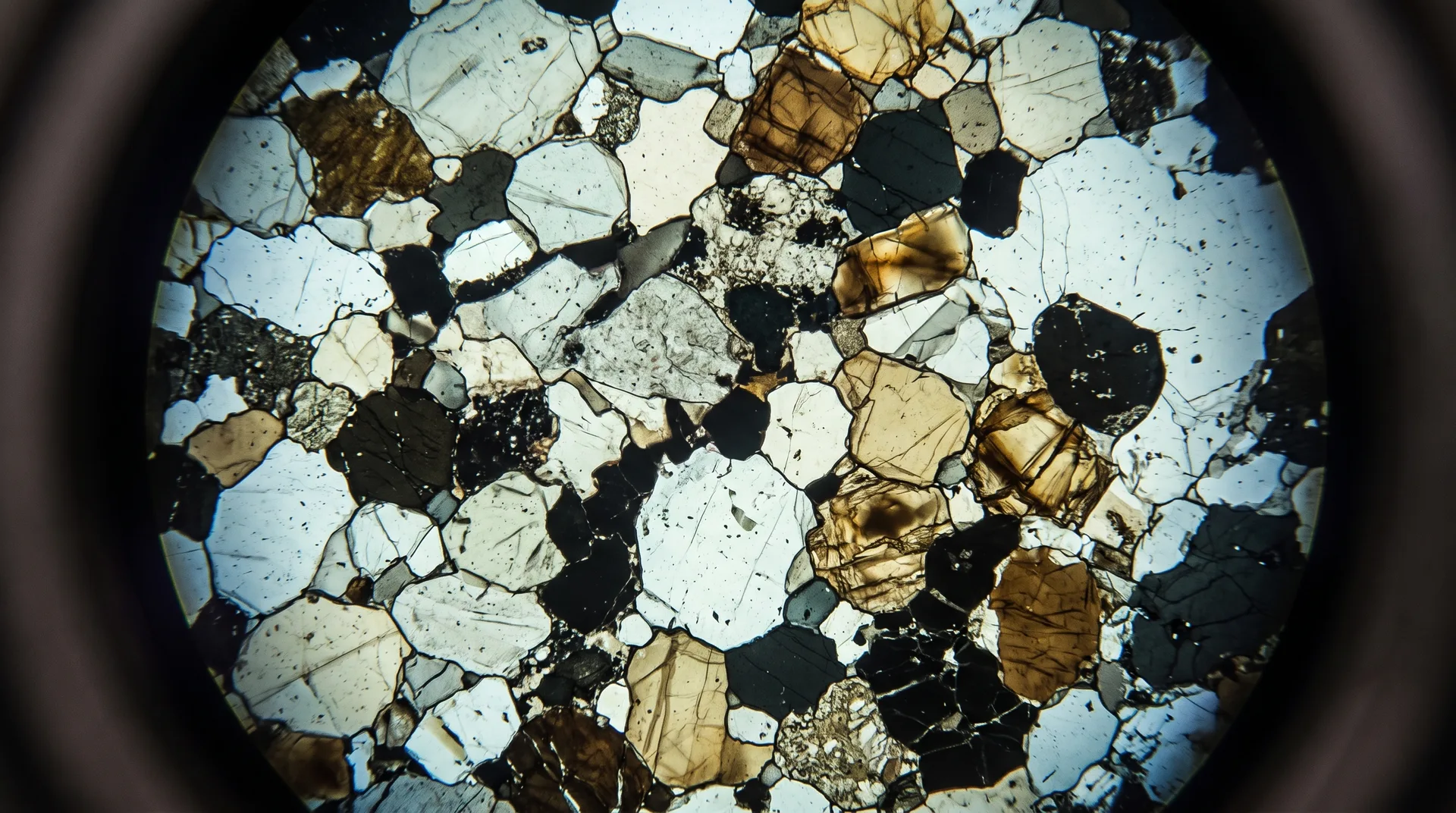
For an assemblage like the one at Orión, the most useful applications are classification problems rather than prediction problems. Automated mineralogy produces images that have to be sorted into mineral species, and distinguishing rutile from ilmenite, or monazite from xenotime, is exactly the sort of pattern task a trained model does well. Geophysical and hyperspectral survey interpretation is another, since the response of a heavy-mineral horizon is consistent enough to learn but subtle enough to miss by eye. Downstream, models trained on plant data can hold a separation circuit closer to its target as feed characteristics drift, and can flag equipment degradation before a failure interrupts a continuous process.
The limits sit close beside the uses. Training data is often drawn from deposits unlike the one being modelled, a confident output cannot be validated without drilling, a qualified person must stand behind any reported estimate regardless of how it was produced, and a model that assists an interpretation is a different thing from one that replaces it.
Exploration Technology covers the instruments producing most of this data, and Digital Mining the infrastructure that stores and moves it. Automation deals with what happens when a model is allowed to act rather than advise, Processing Innovation with the plant improvements these methods support, and Research Organisations with where much of the underlying work is done.