 ASX: OSM · Orión Project
Minerals Hub / Innovation & Technology / Processing Innovation
Innovation & Technology · Section 02 of 09
Processing Innovation
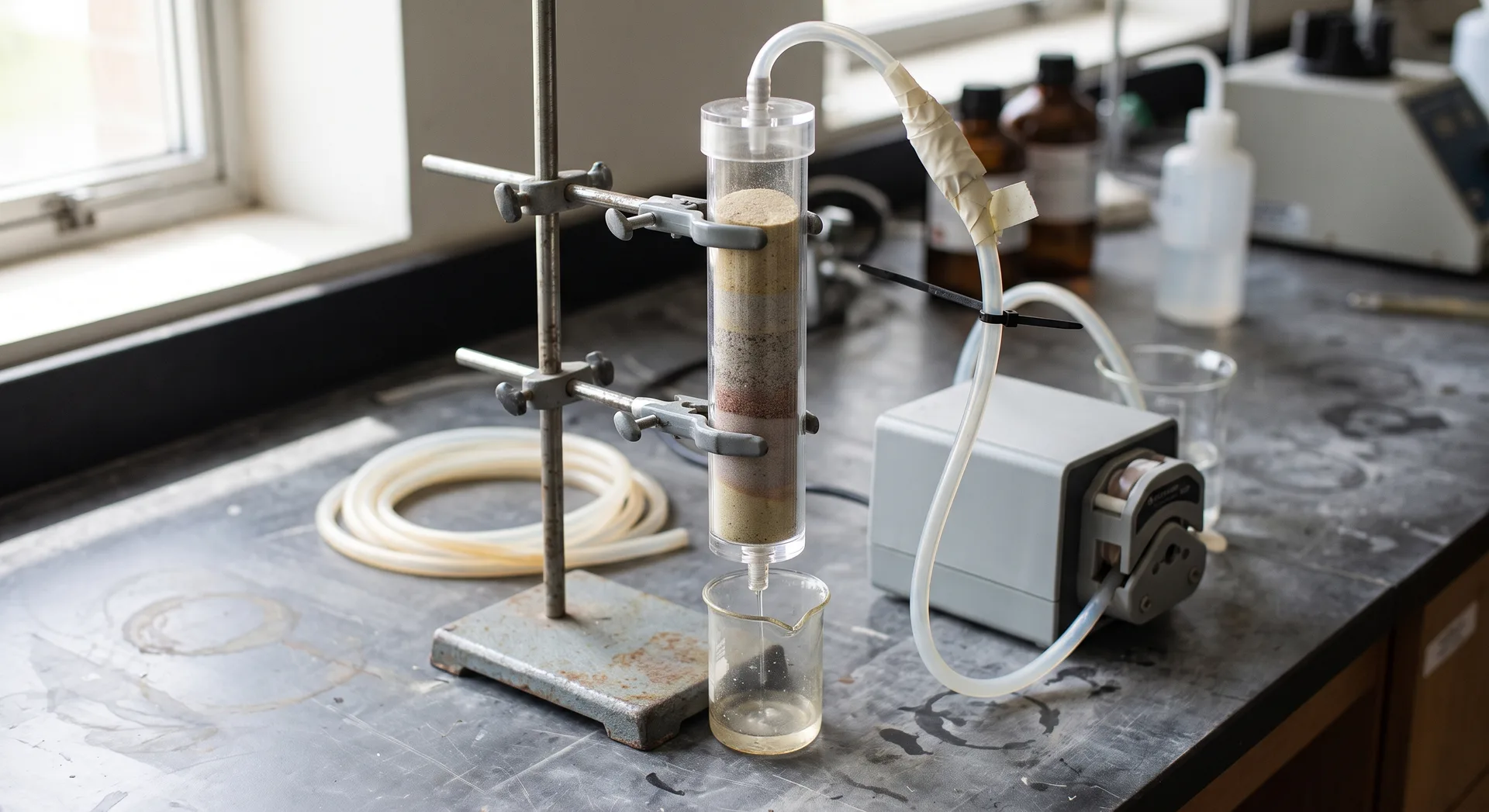
Processing innovation here is change in how processing is done — improvements in recovery, energy and reagent use applied to established routes. (For established practice, see Processing Technology under Mining & Production; for methods not yet in commercial use, see New Processing Technologies.)
A heavy-mineral flowsheet is an unusually good subject for this kind of incremental work, because it separates several saleable products from one feed using differences in density, magnetic susceptibility and electrical conductivity. Every stage that sharpens one of those separations changes what leaves the plant. Fine material lost to tailings, middlings that report to the wrong stream, surface coatings that hold a zircon concentrate below specification, and monazite historically set aside rather than recovered are all recovery problems before they are anything else. Refining carries its own version of the same question: separating hafnium from zirconium, and separating individual rare earths from one another, are among the more reagent- and energy-hungry operations in the industry, and marginal gains there matter more than their scale suggests.
Improvement inside a known route has a characteristic shape — water and reagents reduced or recirculated, energy spent on moving material rather than on separating it, product specification rather than headline recovery setting the real target, and an operator taking a modest gain that carries no requalification risk over a larger one that does. Retrofitting existing plant, rather than designing new, is the usual context, and it constrains what can be changed at all: a circuit that must keep running through the change sets a different problem from one drawn on a blank sheet.
Processing Technology under Mining & Production sets out the practice being improved, and New Processing Technologies covers methods still short of commercial use. Ore Processing and Refining follow the flowsheet itself; Hafnium and Rare Earths explain why the separation steps described here are as demanding as they are.
Company-stated activity
MREC Pre-Feasibility Study — a downstream rare-earth processing pathway, prepared by Técnicas Reunidas (“Spanish based global EPC firm”), “expected to provide financing optionality for the Project.”
SOURCE: ASX:OSM RELEASE, 3 JUL 2026 · COMPANY-STATED STUDY UNDERWAY — NO RESULTS PUBLISHED
Dry Induced Roll Magnetic Separator (IRMS) separation is a named PFS activity, and bulk-sample testing is underway at Nagrom in Perth, generating design data for PFS-level flowsheet development.
SOURCE: ASX:OSM RELEASE, 14 AUG 2026 · COMPANY-STATED ACTIVITY