 ASX: OSM · Orión Project
Minerals Hub / Library
The Library
Every mineral, every angle.
News, data and analysis across the eleven minerals of the Orión suite — filtered by the questions that matter, from deposit geology to EU demand.
our addition — the rest are Osmond's own
Curated · start here
— · Companies & OrganisationsWhich producers are obliged to tell you anythingMost of what a reader can learn about a mining company is a by-product of listing rules, which means the industry's visible half is visible for a reason that has nothing to do with size.5 min read— · Companies & OrganisationsThe rungs between a beaker and a plantResearch organisations produce results at a scale nobody can build from, and the ladder between that result and an operating circuit is both formally defined and reliably underestimated.5 min read— · Companies & OrganisationsWho certifies the number a claim rests onA commercial laboratory sells a figure that other people's disclosures depend on, and an entire international structure exists to make that figure mean the same thing everywhere.4 min read
All articles · 84
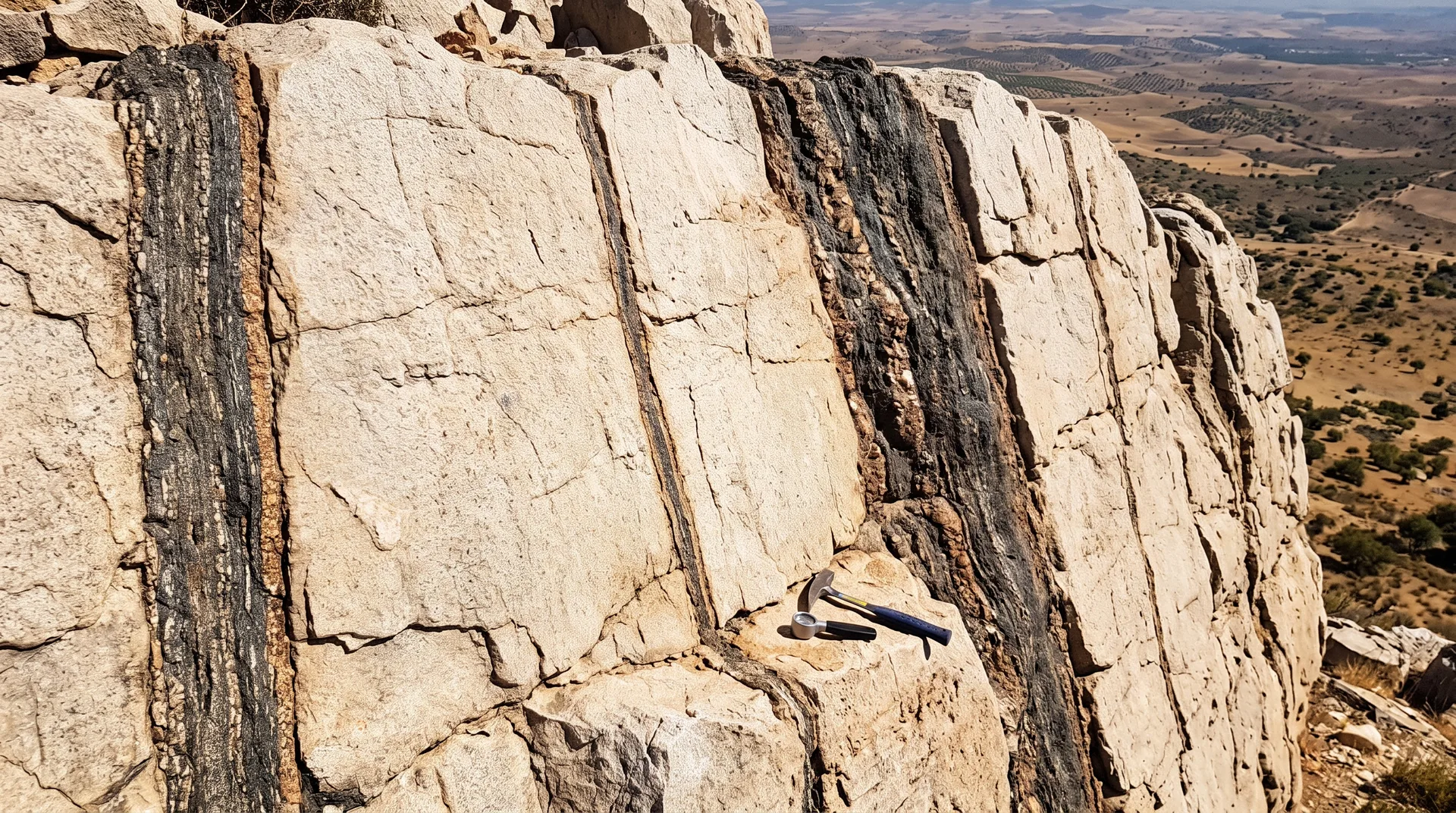
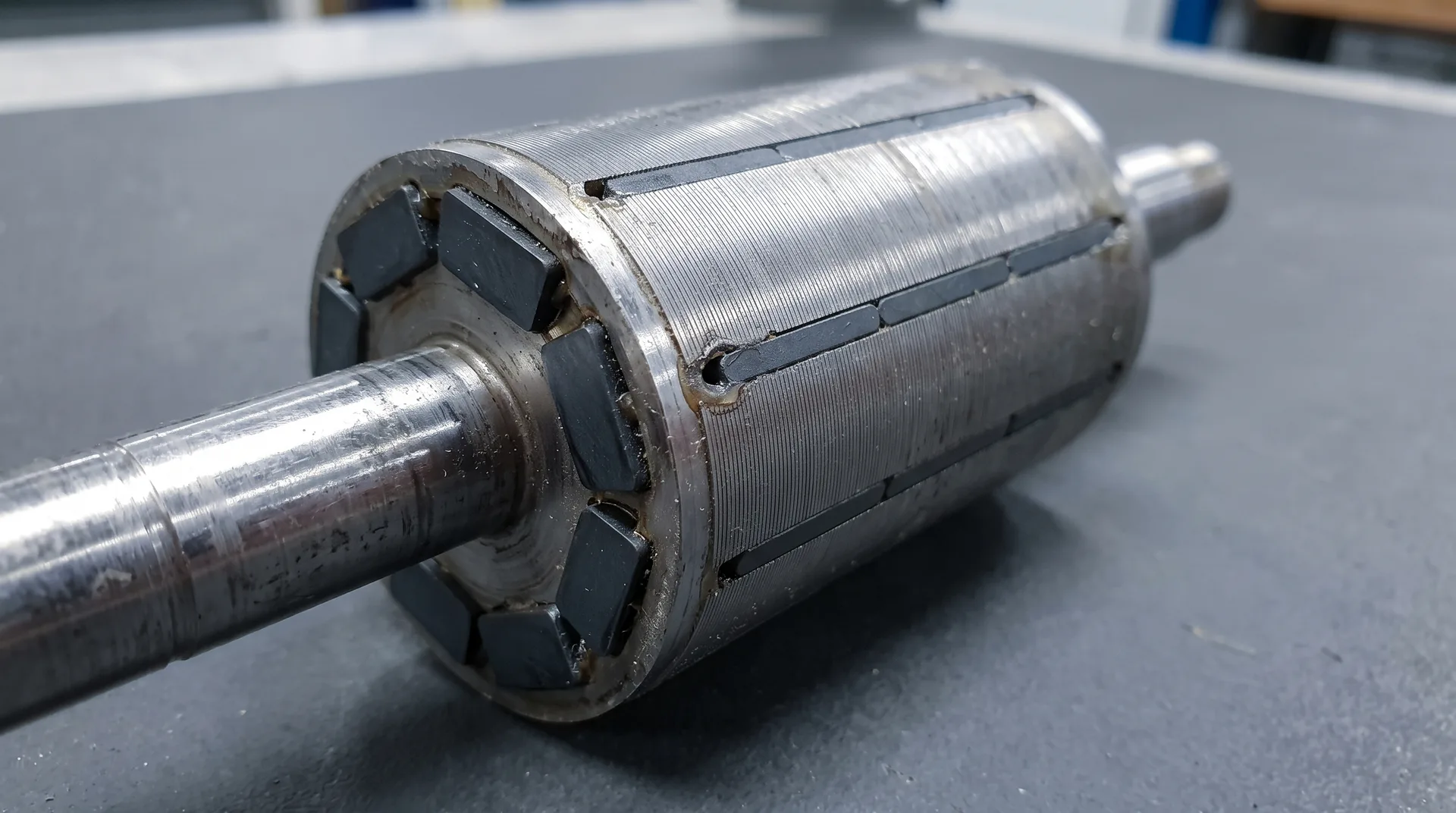
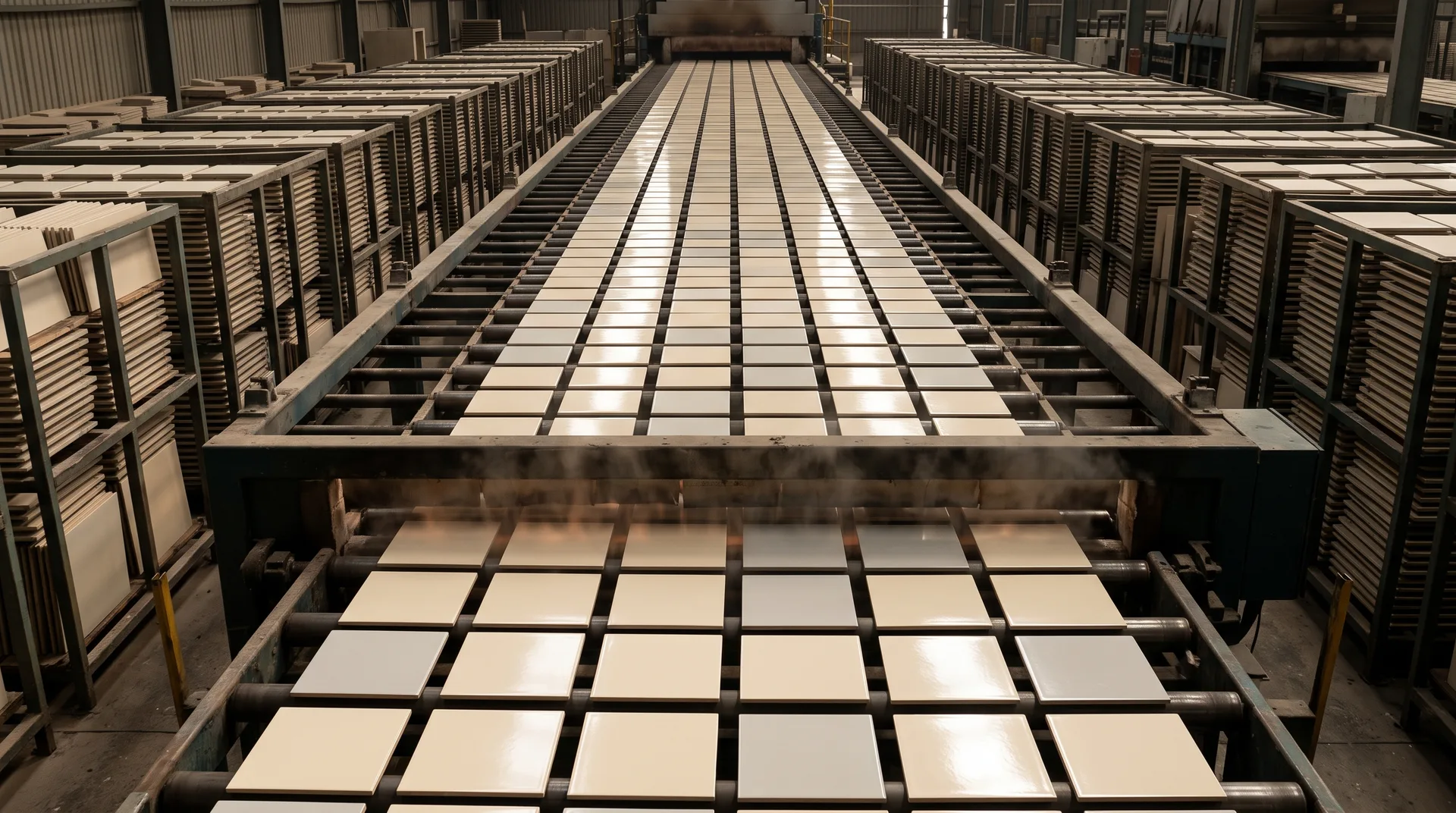
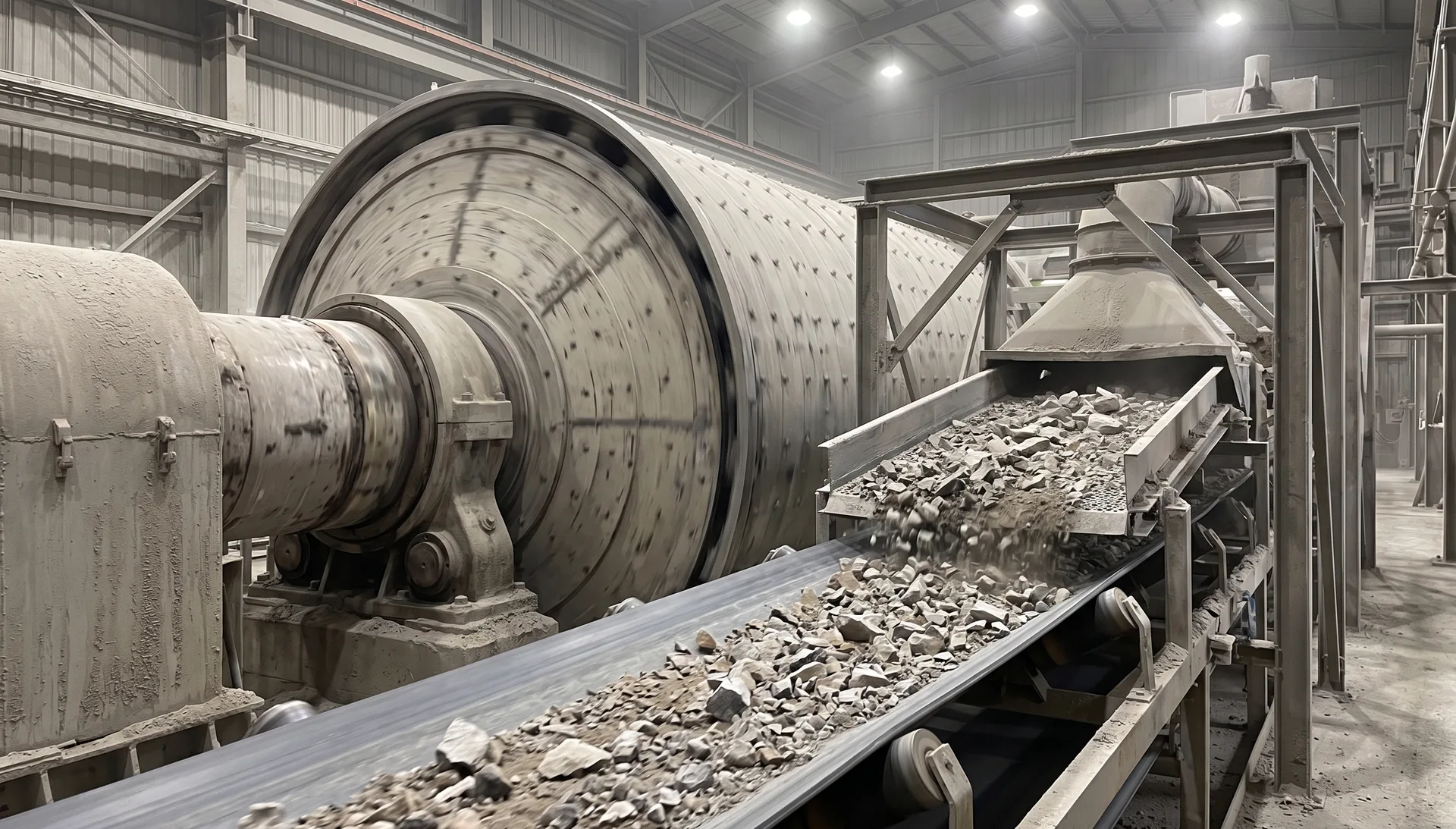
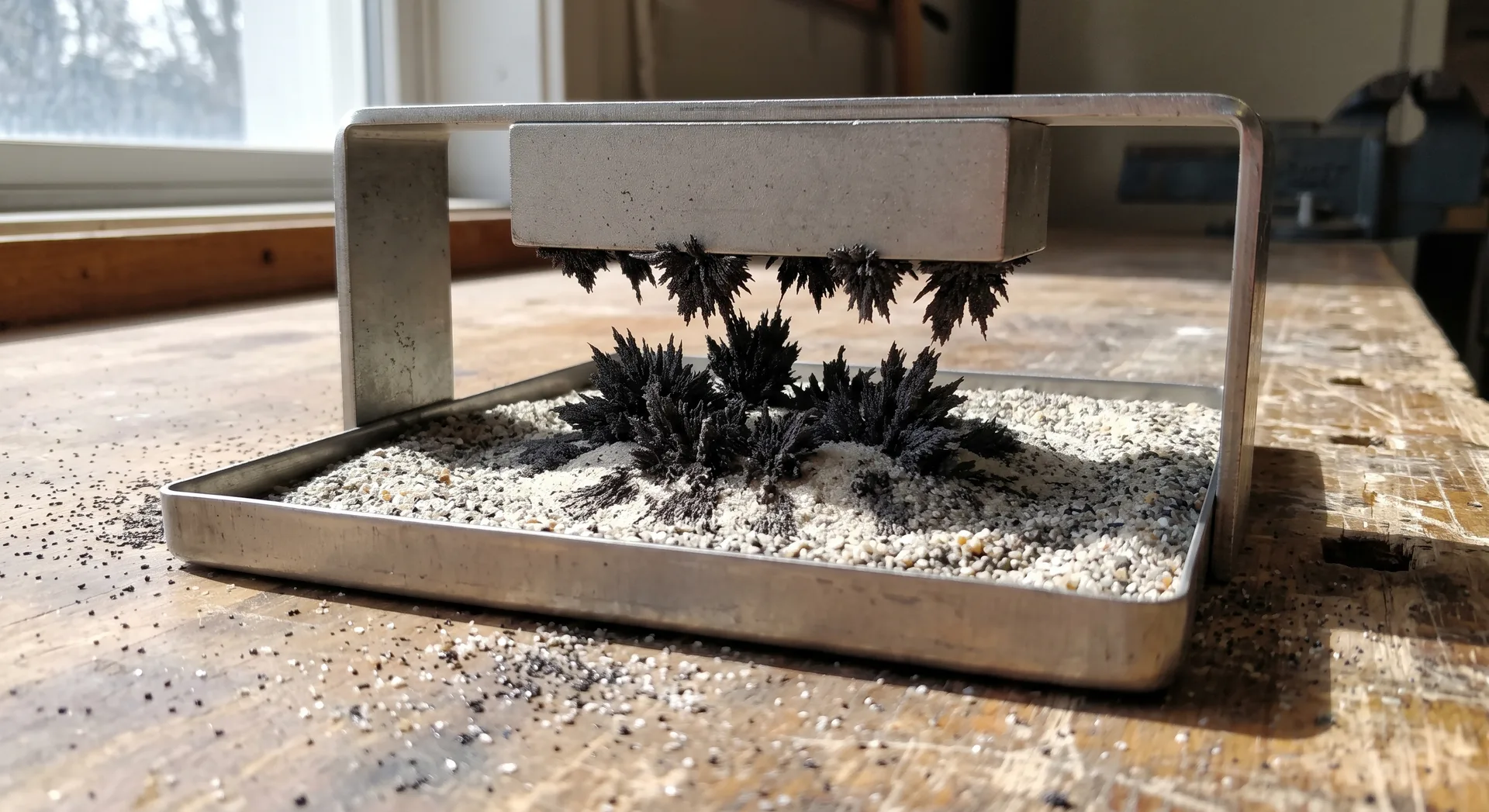
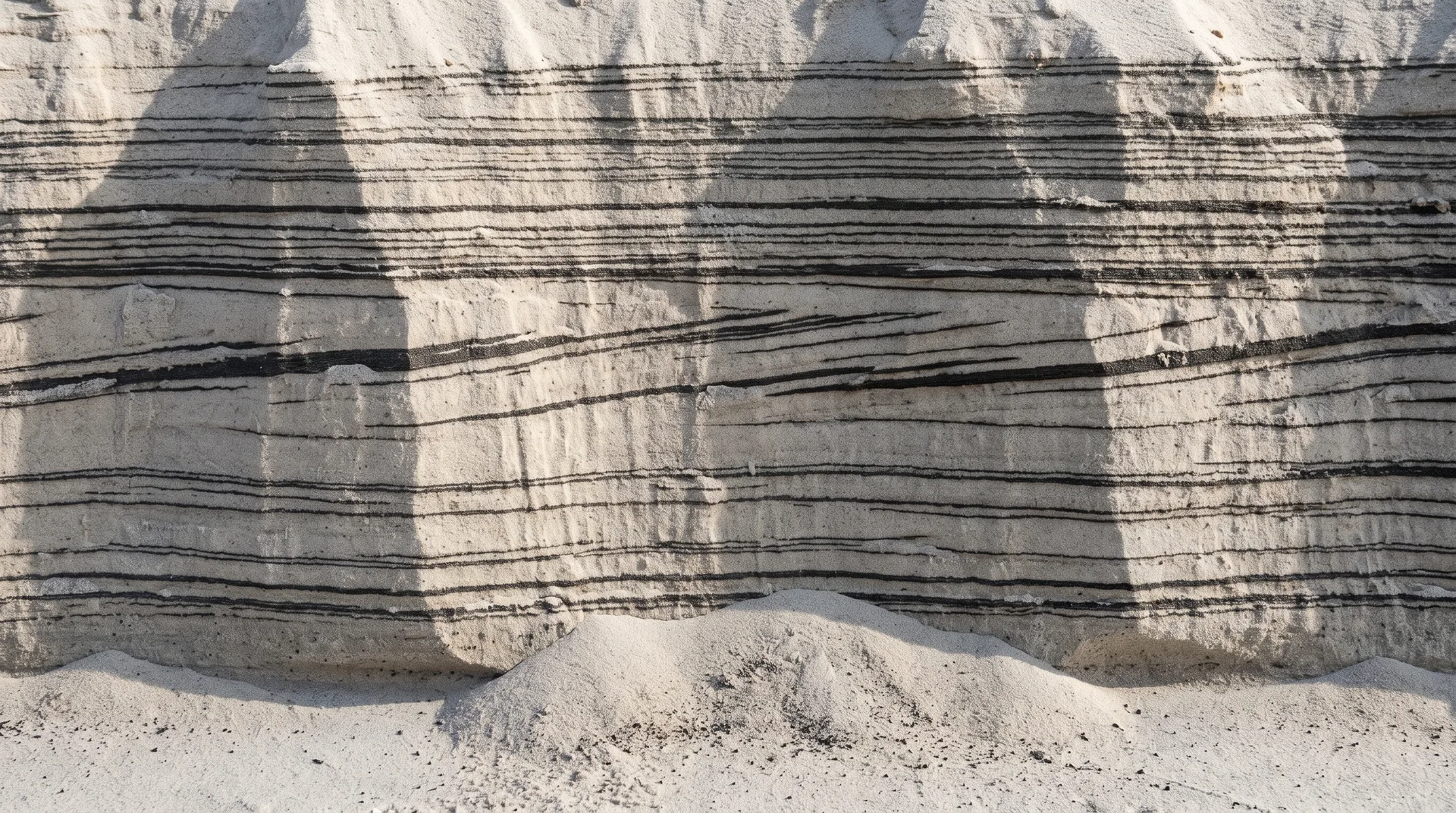
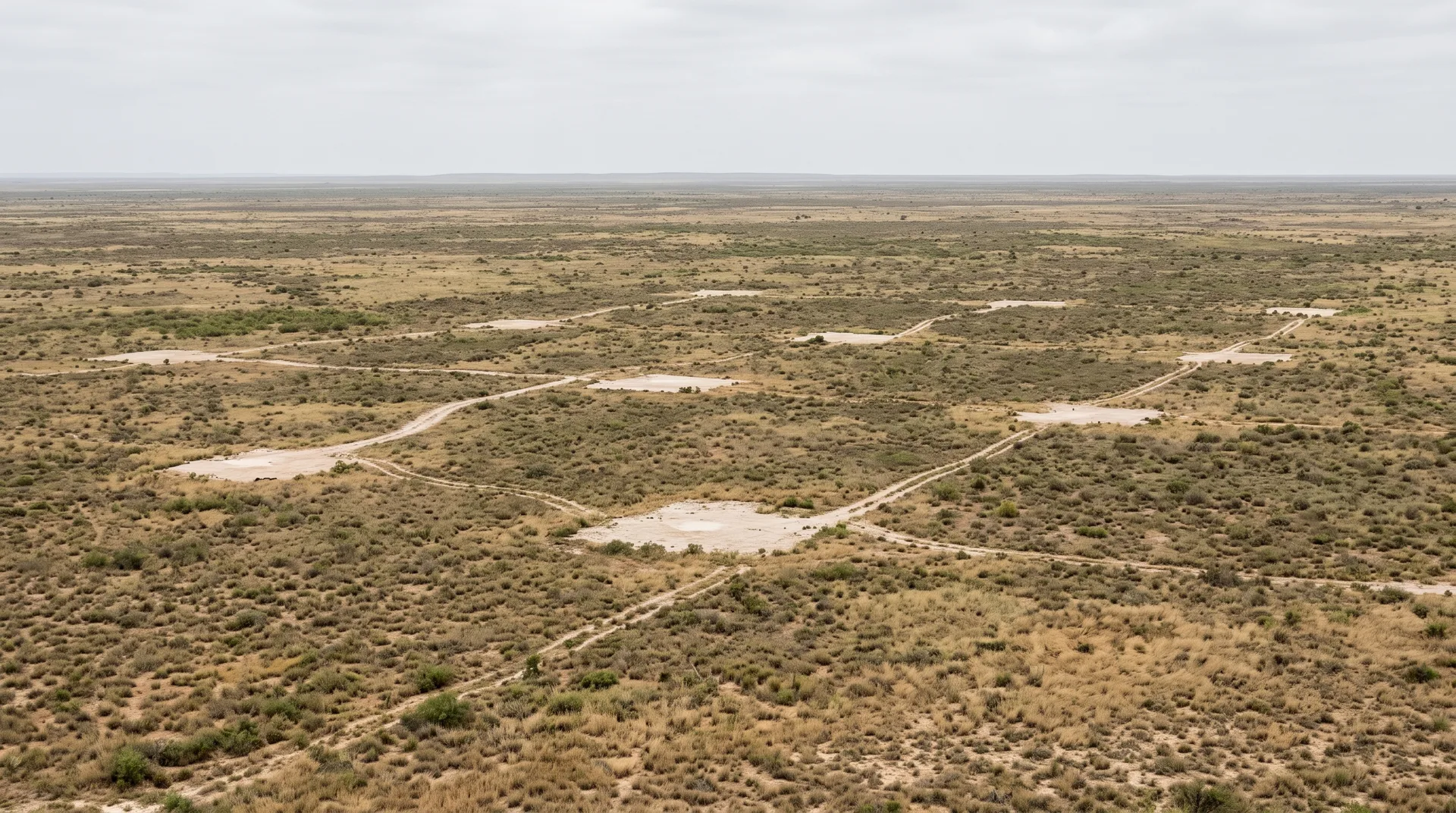
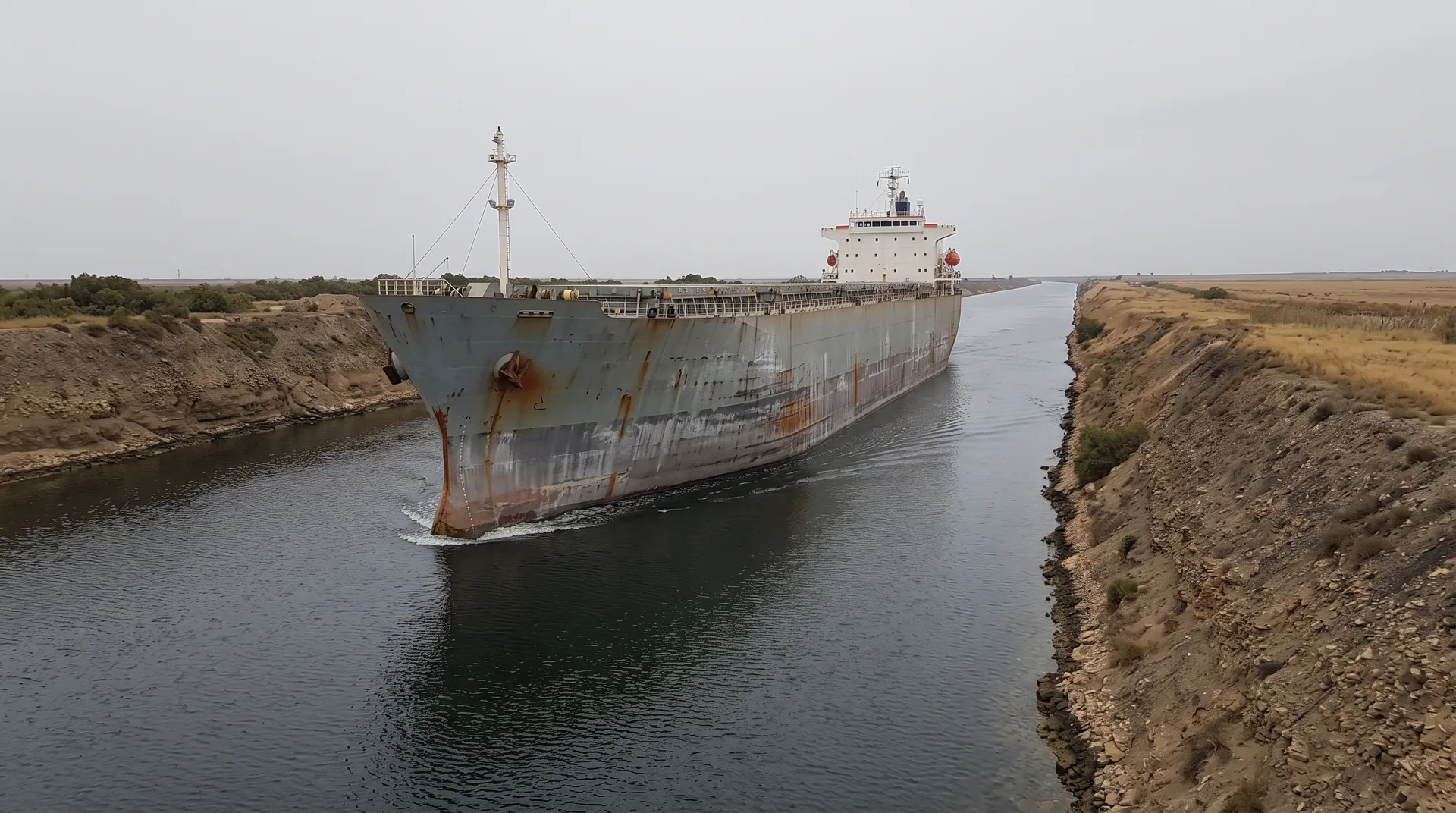
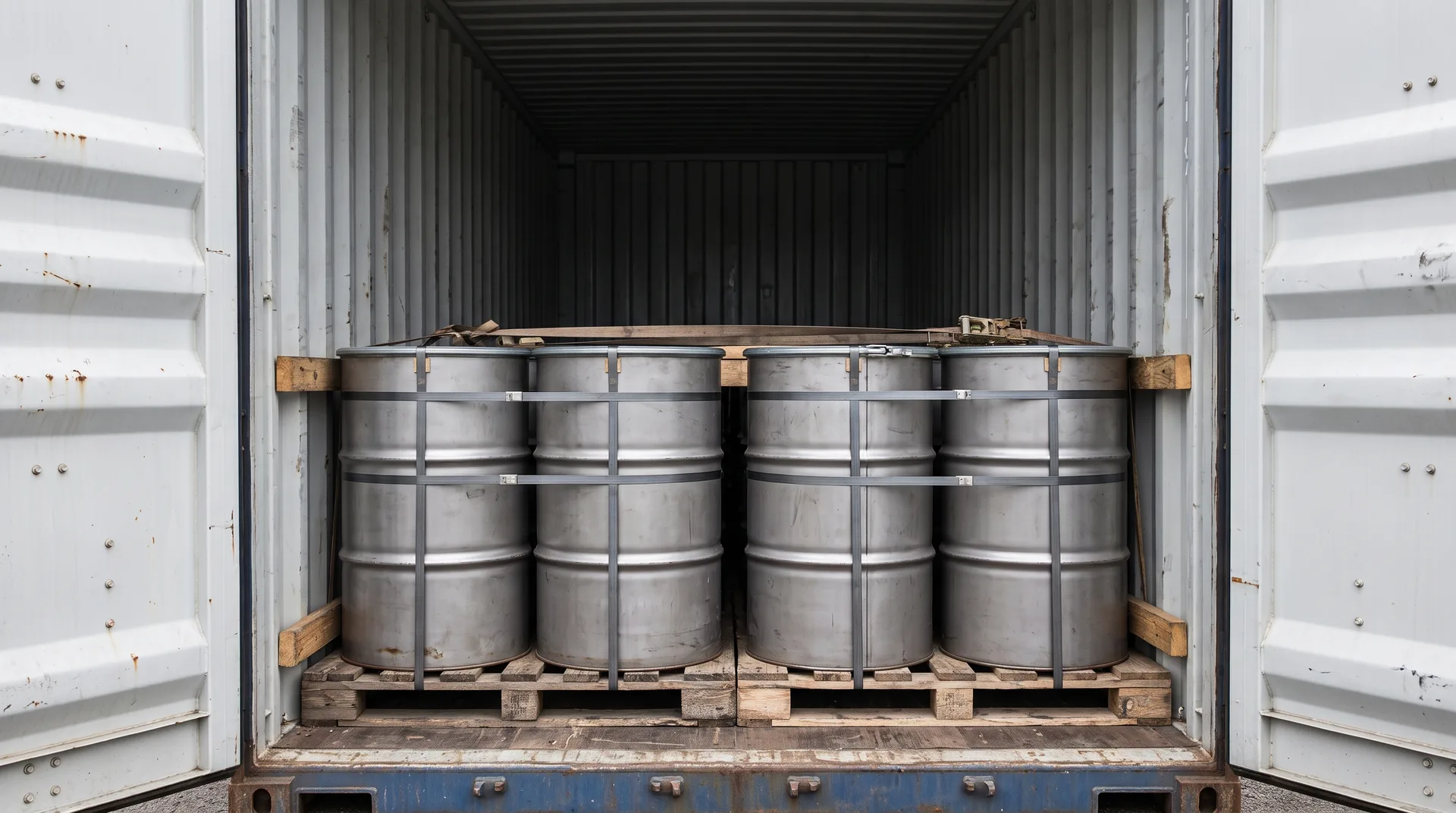
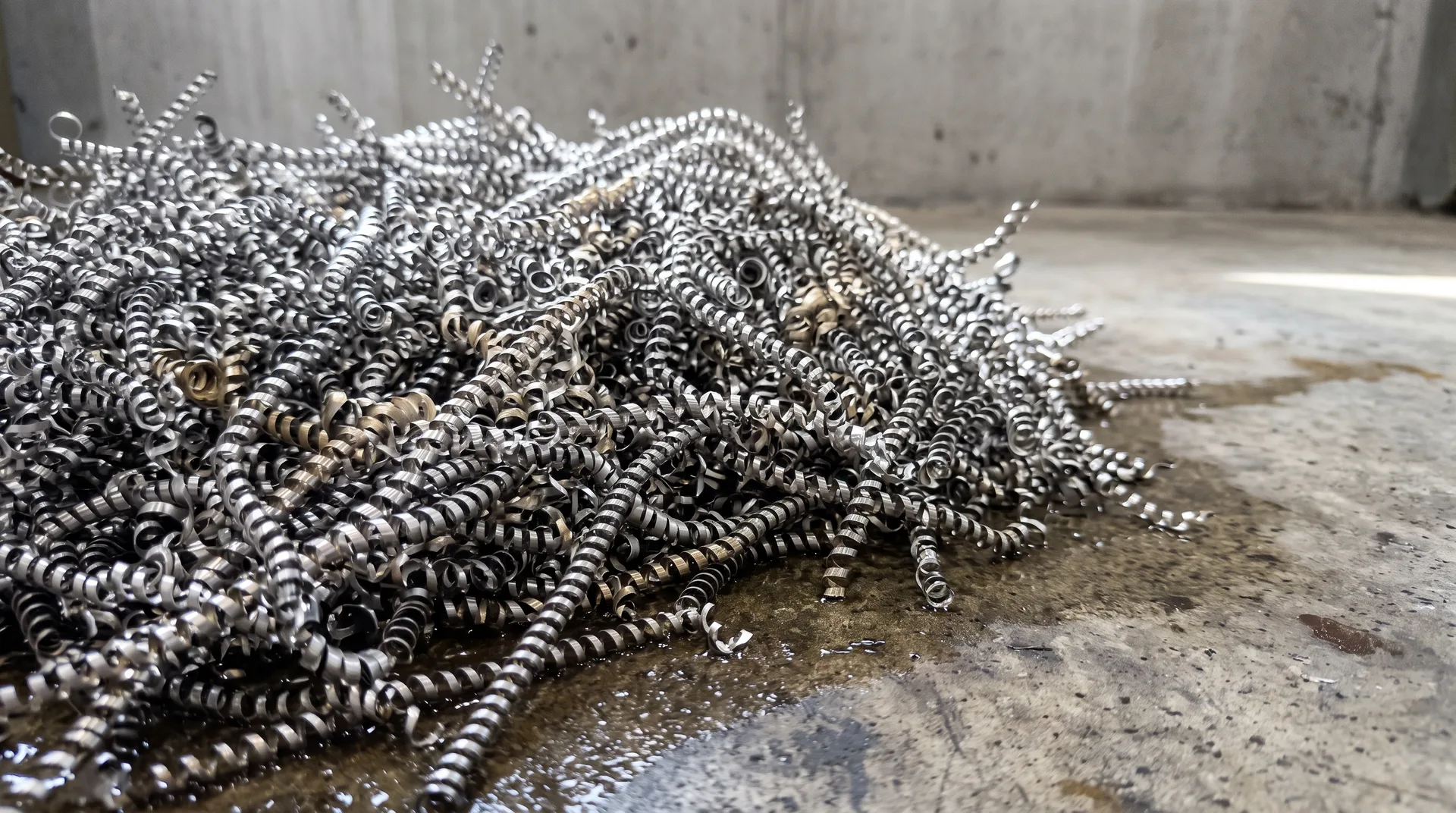
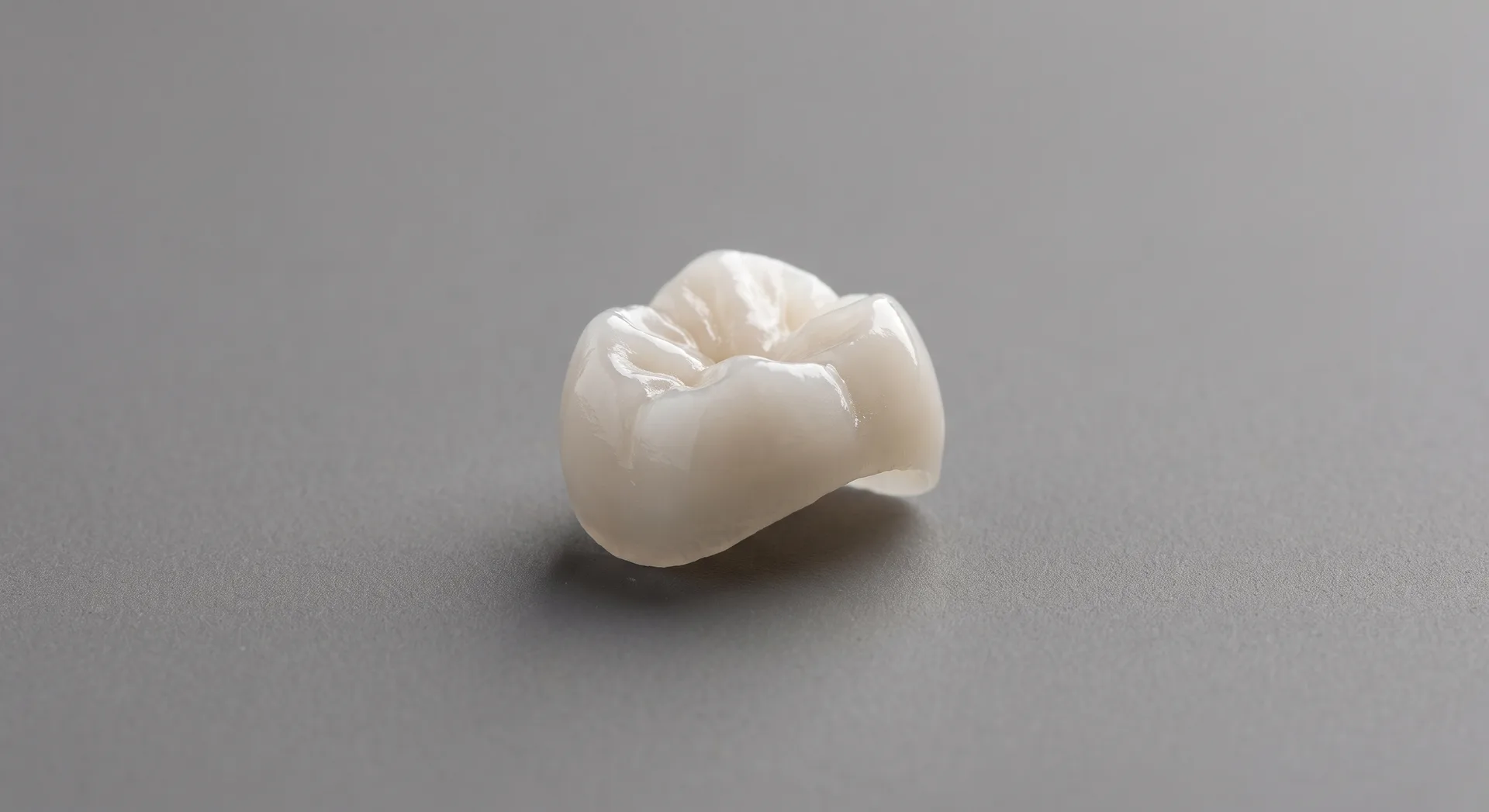
Rutile · Mining & ProductionOrión Project OverviewA lithified heavy-mineral placer in southern Spain — what has been measured, who holds it, and what the exploration programme has not yet produced.7 min readRutile · Mining & ProductionReading the Orión seams: what the heavy-mineral layers tell usOrión's heavy minerals are sorted into dense layers within the quartzite — and reading those layers is where its zircon story begins.6 min readRutile · Mining & ProductionFrom outcrop to 187.8 metres: what the maiden drilling foundOsmond's first holes turned a mineralised outcrop into a downhole discovery — rutile-rich, with a step-out nearly ten kilometres away that Osmond interprets to correlate.5 min readRutile · Mining & ProductionExplored for uranium. Worked for lead. Not, on the record, for titanium.A historic lead mine sits inside the permit and mid-century prospectors once explored here for thorium and uranium — but everyone walked past the sands that matter now.3 min readGarnet · Mining & ProductionPresent, but not yet quantified: garnet and titanite in the sandsTwo minerals sit inside Osmond's definition of the Orión heavy-mineral assemblage — yet neither has ever been given a grade. Here's why that gap is the honest answer.5 min readRutile · Geography & Supply ChainsEurope owns the middle of titanium — and neither end.Europe turns titanium ore into pigment as well as anyone — but it mines none of the ore and forges none of the metal. The strength is in the middle of the chain.5 min readMonazite · Geography & Supply ChainsThe rare-earth gap Europe can't recycle its way out ofEurope imports almost all its separated rare earths, and its own recycling target tops out at a quarter — which is why new primary supply keeps mattering.5 min readZircon · Geography & Supply ChainsEurope makes the world's hafnium. It just can't dig it.Hafnium is the one mineral in this set where Europe already leads the world — and it still begins with rock Europe has to import.5 min readZircon · Policy & GeopoliticsZircon and the Critical Raw Materials ActThe EU's 2030 extraction and processing benchmarks attach to a narrow strategic list — and zircon is not on it. Europe's import reliance is real anyway, and the chains the Act does target start upstream.7 min readRutile · Applications & IndustriesWhy aerospace still can't design titanium outTitanium's mix of strength, lightness and heat tolerance keeps it locked into jet engines and airframes — and rutile is the premium mineral that feeds it.4 min readMonazite · Applications & IndustriesMonazite to magnets: the rare-earth supply chainThe magnets that turn EVs and spin wind turbines run on a handful of rare earths — and monazite is one of the minerals they start from.5 min readZircon · Applications & IndustriesZirconium in the nuclear revivalReactors are being built again — and the metal that wraps their fuel barely absorbs neutrons, which is exactly why zirconium is hard to replace.4 min readIlmenite · Applications & IndustriesThe white in everything: ilmenite and TiO₂ pigmentThe whiteness of paint, plastic and paper comes from one compound — titanium dioxide — and ilmenite is the mineral most of it starts as.4 min readRutile · Markets & EconomicsThe road to a maiden resource: what has to happen, and whenAn explorer's first JORC resource is a specific milestone with specific prerequisites — here's the process, and the schedule Osmond says it is targeting.4 min readRutile · Markets & EconomicsHow to read an early-stage mineral-sands explorerExploration result, resource, reserve — three words that mean very different things, and the difference is most of what a newcomer needs to know.4 min readZircon · Markets & EconomicsWhy co-products change mineral-sands economicsOne ore stream, several saleable minerals — in mineral sands, the mix of co-products shapes the economics of the category. Here's how, in general terms.4 min readRutile · Mining & ProductionWhat a lithified placer actually isOrión is an ancient beach turned to stone — which is a specific kind of deposit with a specific geological meaning worth unpacking.4 min readRutile · Mining & ProductionRutile vs ilmenite: why the split mattersThey're both titanium minerals, but one is far richer in titanium than the other — and which one a deposit favours changes the whole picture.4 min readMonazite · Mining & ProductionThe monazite upgrade: what the preliminary testwork foundPreliminary testwork concentrated Orión monazite — and the head grade and the concentrate grade are two different measures, which is the part worth reading slowly.4 min readZircon · Mining & ProductionFrom 50.2% to premium: the zircon targetOsmond's first zircon concentrate came in at 50.2% ZrO₂, with a stated target of ≥66% — the grade Osmond calls premium, and one that sits close to zircon's stoichiometric ceiling of 67.2% ZrO₂.9 min readXenotime · Mining & ProductionThe accessory suite: xenotime, allanite and the trace rare earthsBeyond monazite, Orión's assemblage names a handful of minor rare-earth minerals — quantified only in bulk samples, and honest about how little that says.4 min readZircon · Mining & ProductionZircon at Orión: the exploration results to date, and the EU supply picture they sit inOsmond's zircon numbers from Jaén are exploration results, not a resource — here is what has actually been sampled, what preliminary metallurgy has achieved, and the European market context they sit alongside.12 min read— · SustainabilityThe water that leaves in the tailingsMost of the water a wet separation plant loses is not evaporated or discharged — it is carried away inside the waste, and it is the hardest loss to see.5 min readMonazite · Innovation & TechnologyHow thorium gives a monazite deposit away from the airA gamma-ray survey never sees a rare earth — it sees the thorium travelling with it, three decay steps removed, and every step is somewhere the inference can break.6 min read— · Companies & OrganisationsThe clock that starts when ground is grantedAn exploration permit is not only permission to look — it is a dated obligation to spend, report and show work, and the calendar it imposes explains a great deal of what explorers do.5 min read— · Geography & Supply ChainsHow a dry-looking cargo turns to liquid at seaThe moisture number stamped on a concentrate shipment is set in the dewatering circuit months before loading, and it is the number a ship's stability depends on.5 min read— · Markets & EconomicsA stockpile release is a signal before it is a supplyThe machinery around a government reserve is designed less to move material than to manage what the announcement of moving it does — and it was built for selling, not buying.5 min read— · Mining & ProductionWhat the record shows about handing a mine backRehabilitation is measured against completion criteria, but the end point is relinquishment — and the published literature can name only a handful of sites that have reached it.5 min read— · Mining & ProductionAutomating a mine that keeps movingAutonomous mining equipment runs on a surveyed description of its working area — and a heavy-mineral operation is built to relocate.6 min readRutile · Mining & ProductionBreaking rock without breaking the grainsWhen a placer has turned to stone, a crushing stage appears at the front of the flowsheet — and how hard you crush decides what the plant can still recover.6 min readRutile · Mining & ProductionHow two properties sort four mineralsThe dry mill separates a heavy-mineral concentrate on magnetism and conductivity — and this particular assemblage happens to occupy four different places in that grid.6 min readZircon · Mining & ProductionThe separation nobody would do for hafnium aloneHafnium is not mined; it is what remains when zirconium is purified for a reactor, and that single fact shapes where it comes from and how much of it there is.5 min read— · Mining & ProductionWhy topsoil is best moved only onceGuidance prefers topsoil returned straight to a shaped surface rather than stored — which quietly makes rehabilitation a scheduling decision made years before anything is planted.6 min readRutile · Innovation & TechnologyThe model that decides which mineral you foundA mineral percentage in an announcement is usually a classification, not a measurement — and that is precisely where machine learning enters minerals work.6 min readRutile · Innovation & TechnologyWhat a four-product plant asks of its controlsAutomating a separation circuit means telling it what to optimise — and a plant selling four minerals from one feed has four answers that argue with each other.6 min readRutile · Innovation & TechnologyWhat lithium titanate trades awayThe one battery anode built around titanium buys fast charging and long life by giving up voltage — and the mineral link behind it is not on the public record.6 min readRutile · Innovation & TechnologyReconciling a mine that makes four productsReconciliation compares an estimate with what actually came out — which is harder when the model, the plant and the customer all count the rock in different units.6 min readMonazite · Innovation & TechnologyWhat a thorium channel can and cannot seeGamma-ray spectrometry finds monazite-bearing sands because monazite carries thorium — but the signal comes from the top few centimetres of ground, and that sets the limit.6 min readRutile · Innovation & TechnologyWhy the Kroll process is still standingTitanium metal is still made by a route the industry has been trying to replace for decades — and what the challengers have to beat is not its cost but its maturity.6 min readRutile · Innovation & TechnologyThe uses you can never recycleTitanium has one of the best recycling records of any metal and one of the worst, depending on which titanium you mean — and the footnote is where the whole subject lives.6 min read— · Innovation & TechnologyThe robot in the sample preparation roomThe least visible robots in the industry crush, split and pulverise rock before it is assayed — and what they change is not speed so much as the shape of the errors.6 min read— · Geography & Supply ChainsThe country that mines titanium is not the one that refines itNational production data is stage-specific, so a country's titanium output is two different numbers, on two different bases, in two different chapters.5 min readRutile · Geography & Supply ChainsA strandline records which way the sea was goingHeavy minerals are sorted in a strip a few metres across at the top of a beach, and the shape and direction of the resulting deposit are what a district is actually made of.5 min read— · Geography & Supply ChainsWhat a scoping study is allowed to tell youThe code defines the study as an order-of-magnitude exercise; the listing rules then decide what may be published from it, and the trigger is the forecast rather than the geology.5 min read— · Geography & Supply ChainsWhen a route stays open and stops being usableCapacity is what a corridor carries when everything works; reliability is what it carries across a year — and the two most-watched canals spent 2024 demonstrating the difference in opposite ways.4 min readMonazite · Geography & Supply ChainsWhy monazite ships under the radioactive-materials rulesTransport law does not classify minerals by name; it classifies them by activity concentration against a table — and a monazite concentrate can land on either side of that line.4 min readZircon · Markets & EconomicsWhat an assessed price is, and what it is notFor minerals no exchange quotes, the number in a market report is a reporting agency's judgment anchored to a written specification — and the specification is doing most of the work.5 min readMonazite · Markets & EconomicsThe customs code decides what your mineral isA shipment crosses a border as a code, not as a mineral — and the chapter it enters under decides its duty, its visibility in trade data, and whether a measure reaches it at all.5 min read— · Markets & EconomicsHow a magnet was redesigned to need less dysprosiumDemand for a critical mineral falls when someone changes a manufacturing process, not when a market decides to want less — and permanent magnets are the clearest documented case in this set.5 min read— · Markets & EconomicsWhy new capacity is not new supply for yearsQualification attaches to a specific material from a specific plant by a specific route, and until it is granted a working facility is not a source anybody is allowed to buy from.5 min read— · Markets & EconomicsThe titanium scrap that cannot go back where it came fromAerospace machining turns most of a titanium forging into swarf, so secondary supply exists in volume — but specification, not volume, decides which market it can be sold into.5 min read— · Markets & EconomicsA stockpile has to choose which form to holdA reserve cannot hold a mineral in the abstract: it holds a named substance at a named point in a chain, and that choice decides which failure it can actually answer.5 min read— · Markets & EconomicsWhy an export control shows up as a queueThe announcement is not the event. A licensing measure changes trade when licences start being refused or granted, and the observable signature is a stop followed by an uneven restart.5 min read— · SustainabilityWhat the EU carbon border levy does not coverThe carbon border adjustment mechanism prices embedded emissions in goods on a list — and the minerals this hub follows are not on it.5 min read— · SustainabilityWhen mine waste stops being wasteEuropean law has two doors out of waste status, each with four cumulative conditions — and a carve-out that puts extractive residues through a different door entirely.6 min read— · SustainabilityWhat makes a grievance mechanism workThe UN Guiding Principles set out eight criteria a non-judicial grievance mechanism has to meet — and each one describes a way the ordinary version fails.6 min readMonazite · SustainabilityWhen a mineral concentrate becomes a regulated materialMonazite carries thorium, and European radiation law names the industries that must reckon with it — with a numerical line that a separation plant is designed to cross.6 min read— · SustainabilityThe tailings number a mining report must publishOne sustainability disclosure requires a specific figure for each tailings facility — and defines it by pointing at an engineering standard, which is what stops it becoming a paragraph of intent.5 min read— · SustainabilityWhat a heritage consent actually permitsOne section of a Western Australian statute shows how a lawful approval can become impossible to reverse — and why the wording of a consent matters more than the policy around it.6 min read— · SustainabilityWhy aerospace titanium scrap ends up in steelTitanium is collected diligently and recycled at scale — but much of it comes back as an alloying addition for steel rather than as titanium, and the reason is provenance rather than collection.6 min read— · SustainabilityThe standard with no mine to auditResponsible-mining schemes assess operations. What they do about a project that has no operations yet has taken one of them two attempts and five years, and is still unresolved.5 min read— · SustainabilityThe water test a new project has to pass in EuropeEuropean water law forbids deterioration, and a 2015 judgment defined deterioration narrowly enough that most new projects need the exception — which has four conditions, all of which must hold.5 min read— · Policy & GeopoliticsWhat an export licence actually controlsLicensing is the commonest form of export control and the least examined — so it is worth reading what an application requires, how long the law allows, and what the holder may not do afterwards.6 min read— · Policy & GeopoliticsThe 27-month permit clock and what it leaves outThe EU's headline permitting deadline for strategic minerals projects is real, precise and narrower than it sounds — four provisions in the same article say what does not count towards it.6 min read— · Policy & GeopoliticsWhat a minerals partnership can actually doMinerals diplomacy is written in verbs — coordinate, facilitate, discuss, advise — and reading which verb an arrangement uses tells you most of what it will deliver.6 min read— · Policy & GeopoliticsThe conditions attached to public moneyIn Europe a minerals subsidy is not simply offered — it has to fit a framework that says who may receive it, where, for what, and until when.5 min read— · Policy & GeopoliticsThe ten per cent that triggers a reviewInvestment screening is the most-used national security instrument in minerals, and in Spain it turns on a share threshold, a sector list and one exception that does not apply to mining.6 min read— · Policy & GeopoliticsWhat a Spanish investigation permit confersSpain's mining law grants exploration rights in a specific, dated and limited form — and the difference between that permit and a mining concession is the difference between an option and an asset.6 min read— · Policy & GeopoliticsHow a five-mineral deal became a tax-credit keyAn undefined phrase in a US tax statute turned a narrow executive agreement into a qualification for a consumer subsidy — and then the subsidy was repealed.6 min readZircon · Applications & IndustriesWhy a white tile needs a milled zirconium mineralThe building industry's biggest call on zircon is not structural — it is a whiteness problem, and the answer depends less on chemistry than on how finely the mineral is ground.4 min read— · Applications & IndustriesWhy a defence platform cannot simply switch alloysSubstituting a material in a weapons system is an administrative problem before it is a metallurgical one, and the documents that make it so are public.5 min read— · Applications & IndustriesCounting the ceramic capacitors in a phoneThe titanium in consumer electronics is not metal — it is a ceramic, stacked in hundreds of layers inside a component most people have never heard of and every device contains by the thousand.4 min readZircon · Applications & IndustriesThe crack that stops itself in a zirconia crownZirconia is used in the body because of a phase change that expands where a crack is starting — a mechanism with a documented reverse gear, and a rare earth holding it in place.4 min readMonazite · Applications & IndustriesWhat removing a gearbox costs in rare earthsOffshore wind moved toward direct-drive generators to lose a failure-prone gearbox, and the published intensity figures show what the swap puts back in its place.5 min readMonazite · Applications & IndustriesThe temperature a robot joint magnet must surviveTwo magnets of the same strength can behave completely differently when a motor gets hot, and the difference is bought with the scarcest rare earths in the set.5 min readZircon · Applications & IndustriesHow a zircon by-product ended up in the transistorHafnium reached the centre of the semiconductor industry because silicon dioxide ran out of room — and the mineral it comes from is the same one the tile industry buys.4 min read— · Applications & IndustriesThe niobium alloy that carries hafnium to orbitOne refractory alloy, ten per cent hafnium by weight, has been flying on spacecraft since Apollo — and the world has no published figure for how much hafnium exists.4 min read— · Applications & IndustriesThe few metres of doped glass under the oceanSubmarine cables carry light for thousands of kilometres because every seventy-five to a hundred kilometres it passes through a short length of glass containing a rare earth.4 min read— · Companies & OrganisationsWhat a plant keeps buying after the machine arrivesA competition regulator has ruled on what an equipment supplier really sells, and the answer is not the equipment — which explains the shape of the whole supplier relationship.4 min read— · Companies & OrganisationsThe letter that stands where a number should beGovernment mineral statistics are built on voluntary returns, and the symbols in the tables record exactly where the data ran out — if you know how to read them.4 min readZircon · Companies & OrganisationsReading a trade body's two kinds of documentAn association's technical work and its advocacy come from the same office and the same members, and telling them apart is a practical skill worth one worked example.5 min read— · Companies & OrganisationsWhich producers are obliged to tell you anythingMost of what a reader can learn about a mining company is a by-product of listing rules, which means the industry's visible half is visible for a reason that has nothing to do with size.5 min read— · Companies & OrganisationsThe rungs between a beaker and a plantResearch organisations produce results at a scale nobody can build from, and the ladder between that result and an operating circuit is both formally defined and reliably underestimated.5 min read— · Companies & OrganisationsWho certifies the number a claim rests onA commercial laboratory sells a figure that other people's disclosures depend on, and an entire international structure exists to make that figure mean the same thing everywhere.4 min read