Minerals Hub / Mining & Production / Explored for uranium. Worked for lead. Not, on the record, for titanium.
Mining & Production · Rutile · 3 min read
Explored for uranium. Worked for lead. Not, on the record, for titanium.
A historic lead mine sits inside the permit and mid-century prospectors once explored here for thorium and uranium — but everyone walked past the sands that matter now.
Reviewed by Peter Uppal
The short version
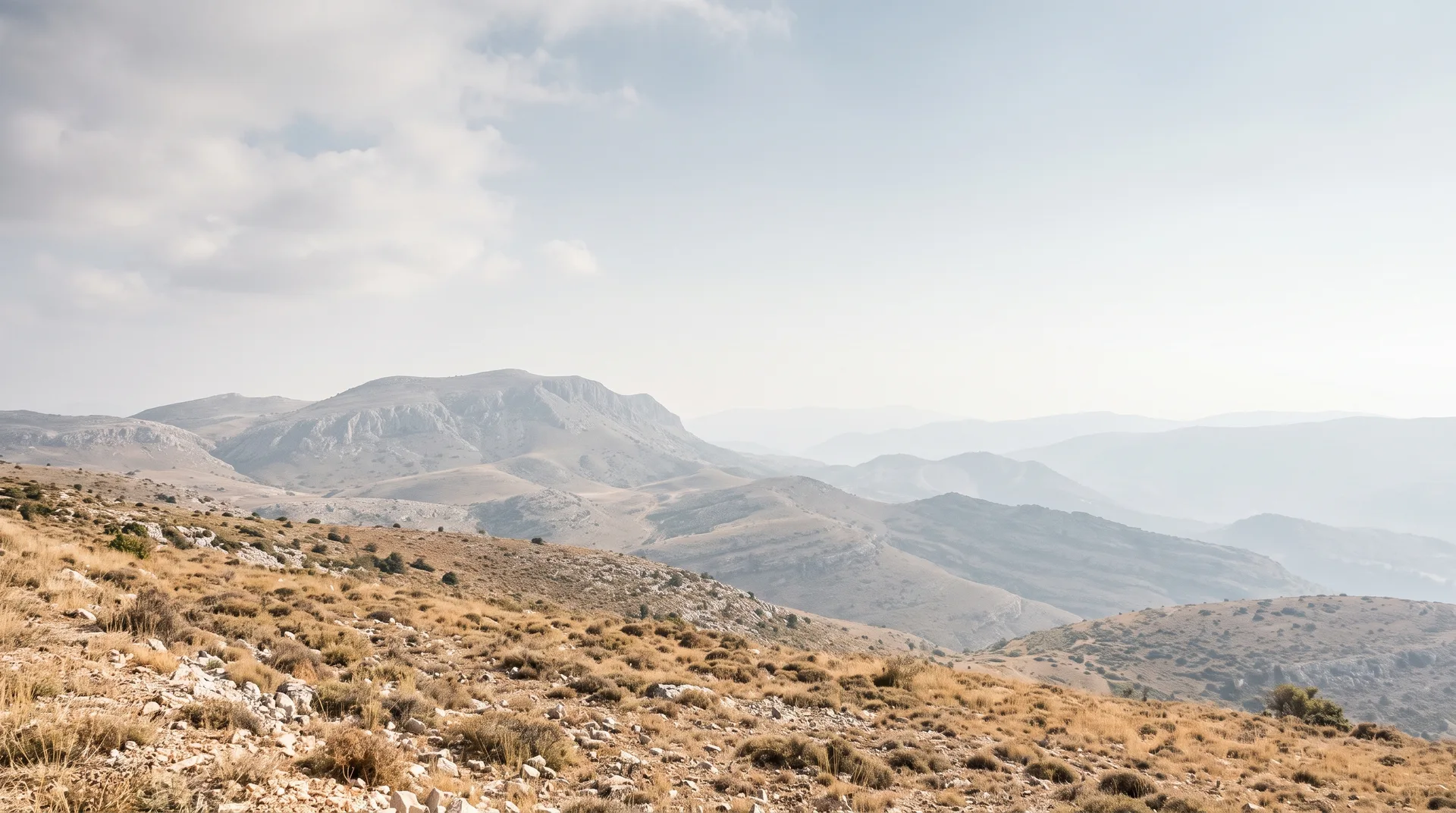
The ground Osmond now holds at Orión has been worked before: a historic galena — lead — mine, worked in the 1970s, sits within the permit, and the area was explored for thorium and uranium in the 1950s and 60s (osm_grade, 19 Feb 2026). Both efforts targeted something other than the rutile, zircon and monazite Osmond is chasing today. The heavy-mineral sands were, in effect, walked past.
A lead mine hiding in plain sight
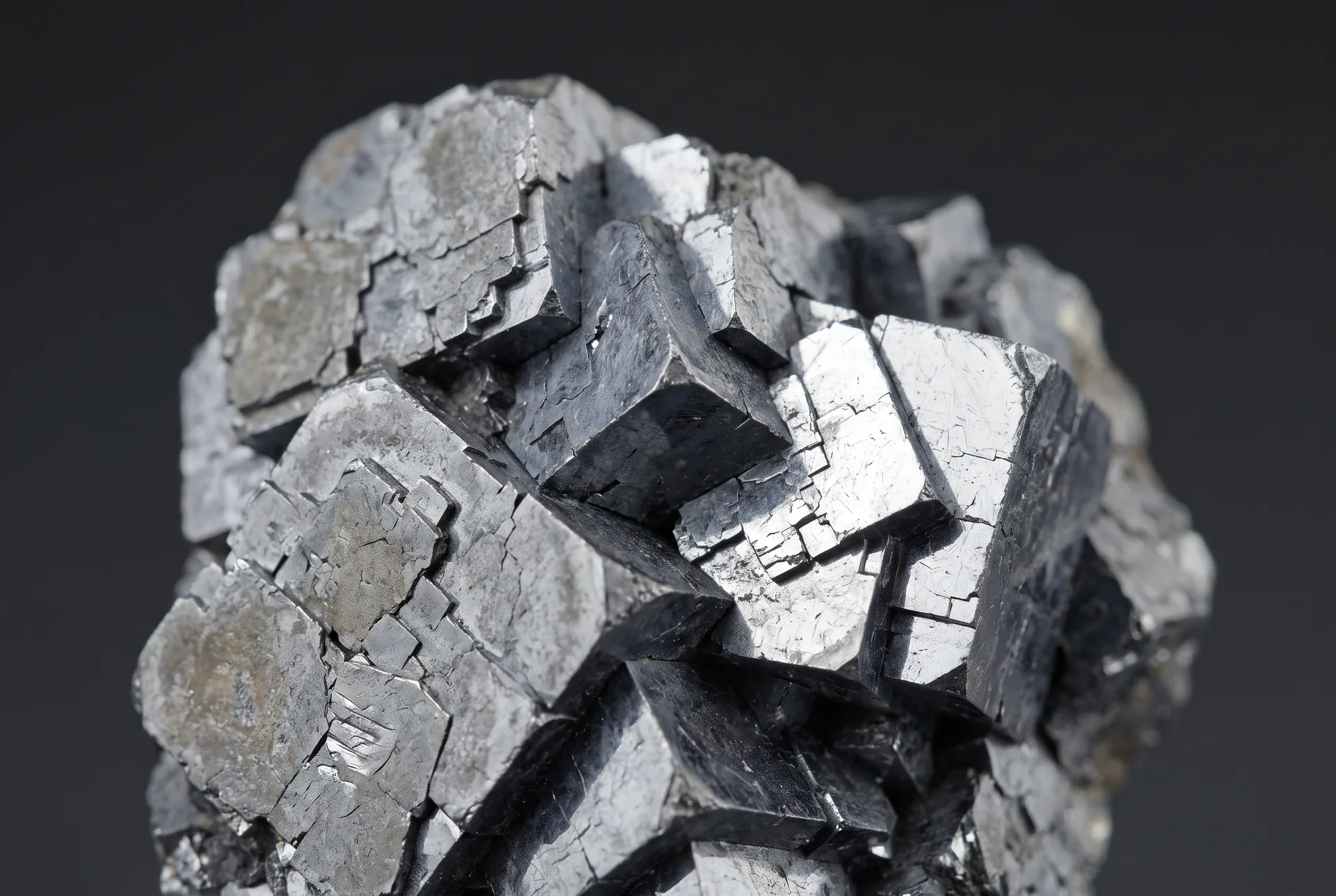
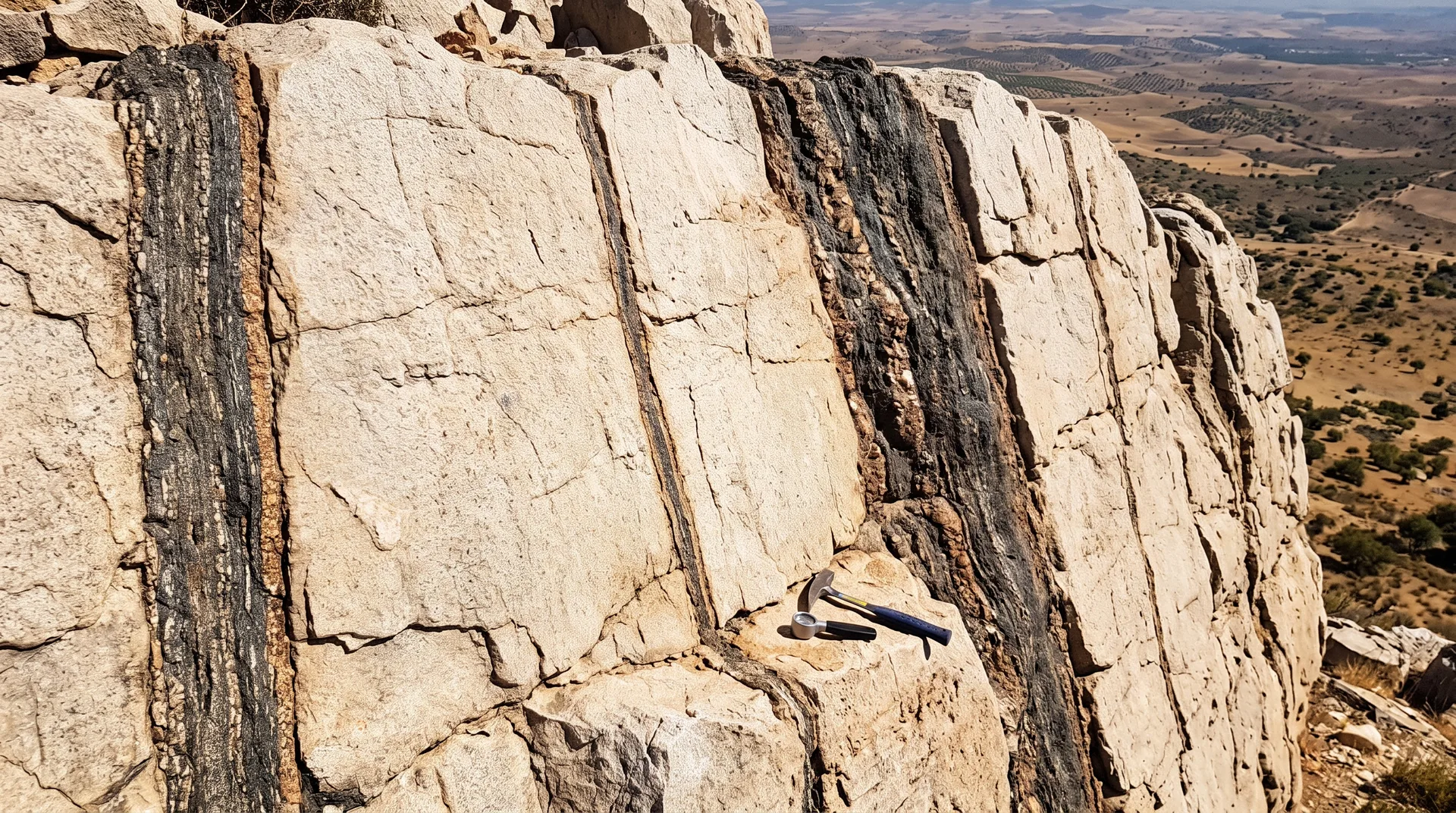
The most striking piece of Orión's backstory is physical: a historic galena mine, worked in the 1970s, sits inside the current permit (osm_grade, 19 Feb 2026). Galena is a lead ore — a gloss on the term, not an Osmond figure.
Whoever worked that mine in the 1970s was after the lead. The heavy-mineral seams that define Orión's modern value case — the rutile, zircon and monazite concentrated in the lithified placer — were not the target of those old workings. The mine and the outcrops occupy the same ground, and the record of each is separate from the record of the other.
Prospected for a different element
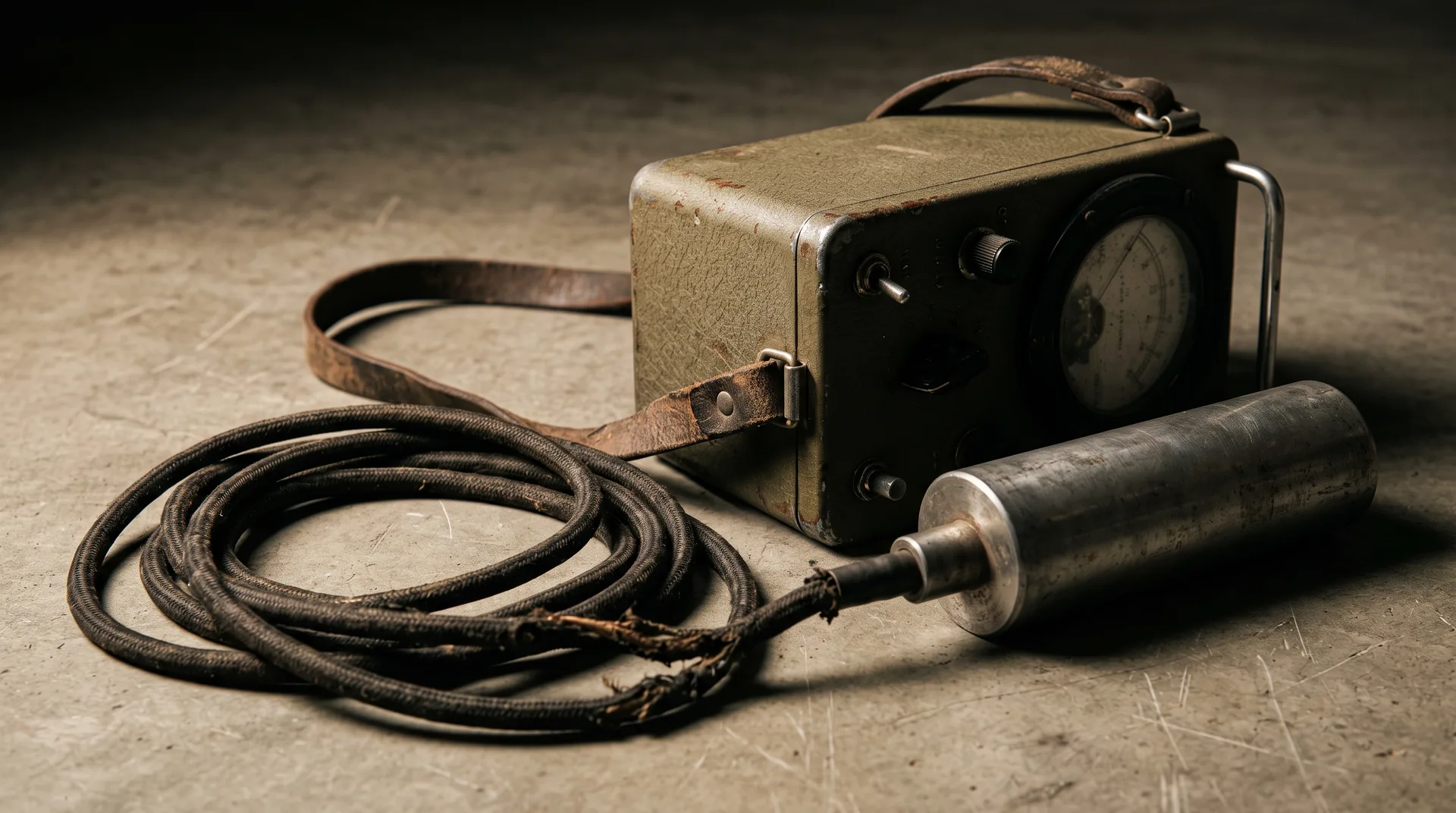
The ground was looked at again in the mid-twentieth century. Osmond records that the area was explored for thorium and uranium in the 1950s and 60s (osm_grade, 19 Feb 2026).
That is the whole of the record as this article has it. The releases do not state how that work ended or what it concluded — so neither does this article. What is documented is the fact of the exploration and its target: thorium and uranium, not the titanium and zirconium minerals that carry the project's value case today.
Why the old workings matter now
The history carries two practical signals.
First, it explains why a deposit like this can go unrecognised. A resource is only "discovered" when someone measures the right thing. For most of Orión's documented history, the right thing — a rutile-and-zircon-rich lithified placer feeding European critical-mineral demand — wasn't on anyone's list. The value depends on what the market needs, and the market changed.
Second, it sets the honest baseline. Old workings and mid-century exploration are part of the record, but they are not resource data. Nothing in Orión's mining history substitutes for the modern assays and the maiden resource estimate still to come. The lead mine and the mid-century thorium-and-uranium search tell us people saw promise here long ago. What that promise is actually worth, in the minerals that matter now, is a question only current exploration can answer.
Twice, people came to this ground for what they wanted at the time — lead, then uranium. Both times the critical-mineral sands were the thing nobody was looking for.
Orión data card — Deposit history
| Location | Jaén Province, Andalucía, Spain |
| Within the permit | Historic galena (lead) mine, worked in the 1970s (osm_grade, 19 Feb 2026) |
| Prior exploration | Thorium and uranium, 1950s–60s (osm_grade, 19 Feb 2026) |
| Modern target | Rutile, zircon, monazite in a lithified tidal-sand placer |
| Sources | osm_grade (19 Feb 2026) |
→ See the Orión project overview in the hub.
Exploration results and mineralogical estimates only. Orión has no JORC-compliant Mineral Resource or Reserve; maiden MRE and Scoping Study pending, targeted Q3 CY26.
Related reading
- Reading the Orión seams: what the heavy-mineral layers tell us (The Deposit · Zircon)
- From outcrop to 187.8 metres: what the maiden drilling found (The Deposit · Rutile)
- What a lithified placer actually is (Science)
Sources
- PRIMARYosm_grade — ASX:OSM release, 19 Feb 2026, deposit history, exact text: 'The Project area was explored for thorium and uranium in the 1950s and 1960s and includes a historic galena mine worked in 1970s.'
- COMMON-KNOWLEDGEGalena as a lead ore — term gloss only, standard reference knowledge; not an Osmond figure.Non-public document · no public URL