 ASX: OSM · Orión Project
Minerals Hub / Markets & Economics / Strategic Stockpiles
Markets & Economics · Section 07 of 08
Strategic Stockpiles
A stockpile is an admission that a market is not trusted to deliver under stress. States hold reserves of certain materials precisely because the ordinary mechanisms of purchase and delivery are expected to fail in the circumstances the reserve exists for, and that logic — rather than any commercial one — is what this section explains.
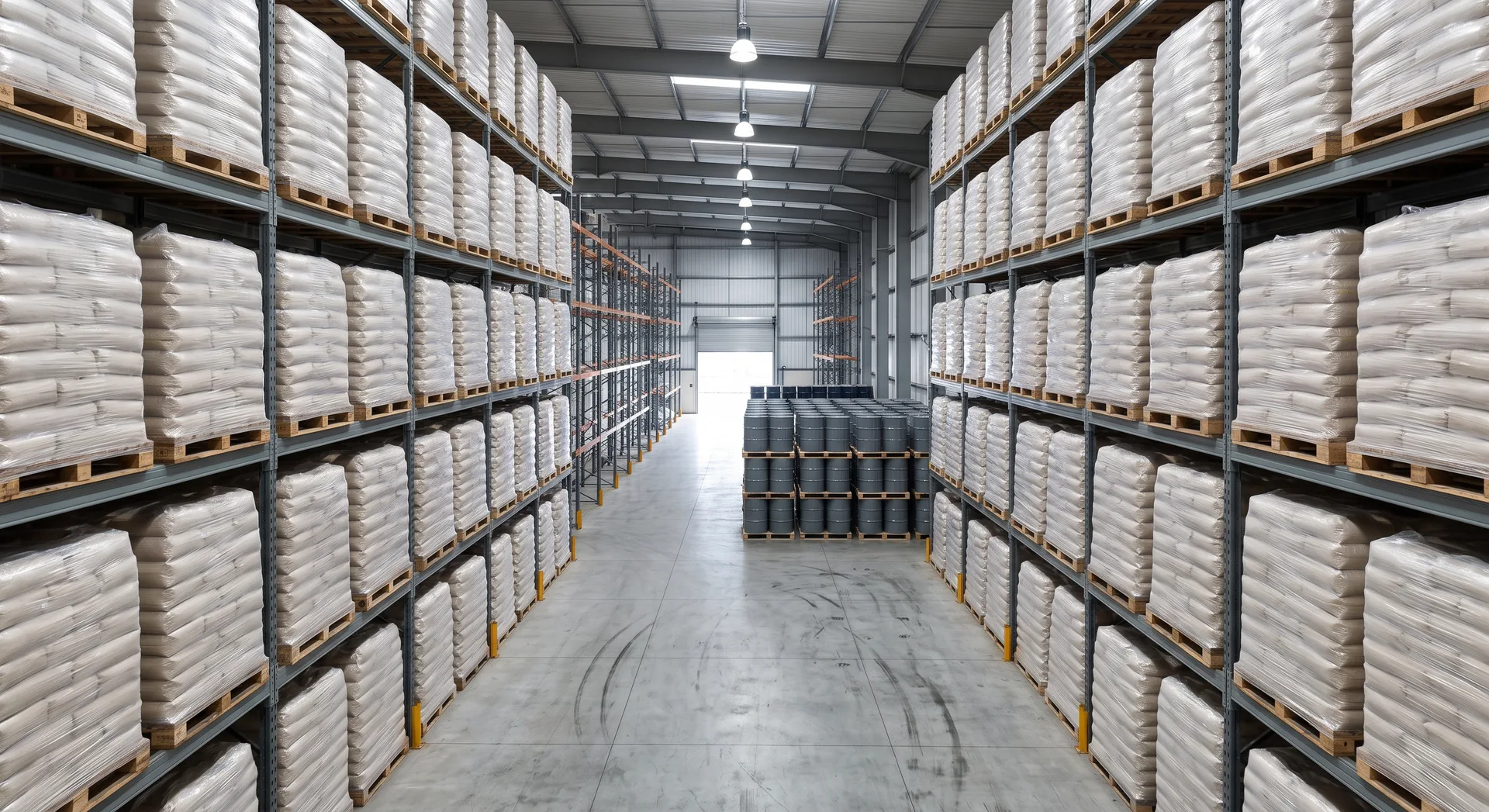
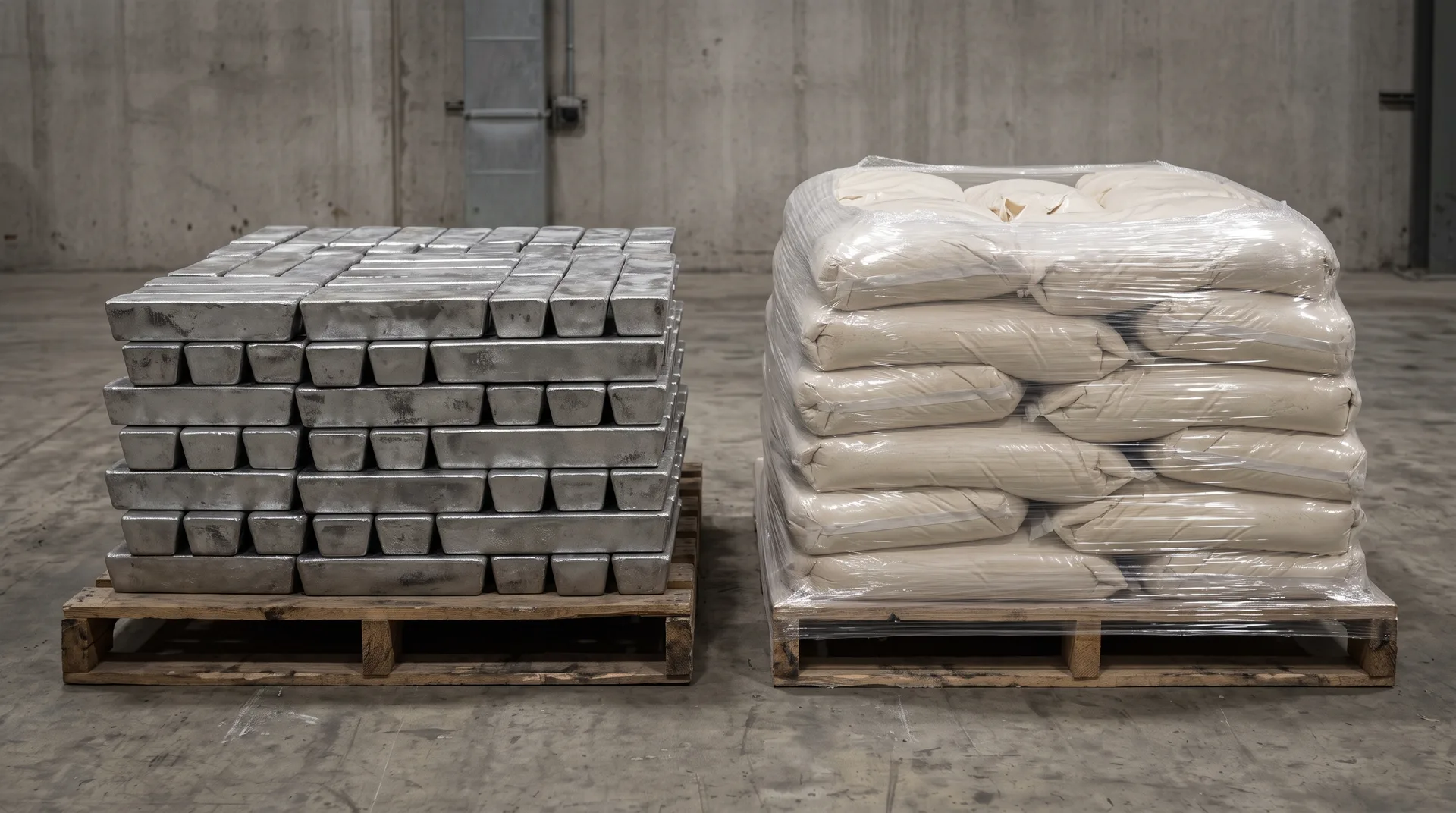
The distinction that matters most is between a government reserve and commercial inventory. A manufacturer holding material against interruption is managing its own risk with its own money and will release it as its production requires. A state holding the same material has objectives that may include defence readiness, industrial continuity or simple deterrence of leverage, and its purchases and releases follow policy rather than need. For minerals in this hub's scope, that distinction is live: several rare earths, titanium and hafnium appear on national critical lists, and stockpiling programmes for materials of this kind exist in a number of countries with varying degrees of openness about what is held. Some publish; others treat holdings as classified, which means the true availability of a material in a crisis may be unknowable to the market that would need it.
Such programmes are designed and governed in recognisable ways — a trigger for purchase or release, storage and rotation to prevent degradation, a preference in some governments for contracted supply agreements or domestic capacity subsidies over physical holdings, and a standing criticism that a poorly signalled release does more harm than the shortage it answers. Several historical programmes were wound down, and the reasons they were are part of the subject.
Critical Mineral Strategies and National Security cover the policy reasoning behind these programmes, Government Agencies the bodies that run them, and Supply & Demand and Global Trade the market context in which a release or purchase lands.