 ASX: OSM · Orión Project
Minerals Hub / Sustainability / Recycling
Sustainability · Section 05 of 09
Recycling
Recycling here is environmental practice, not market supply. Recovery rates, the processes that make recovery possible, and the limits of what can be reclaimed from end-of-life products — the operational and environmental side of circularity, rather than its effect on price or supply. (For recycled supply as a market factor, see Recycling under Markets & Economics.)
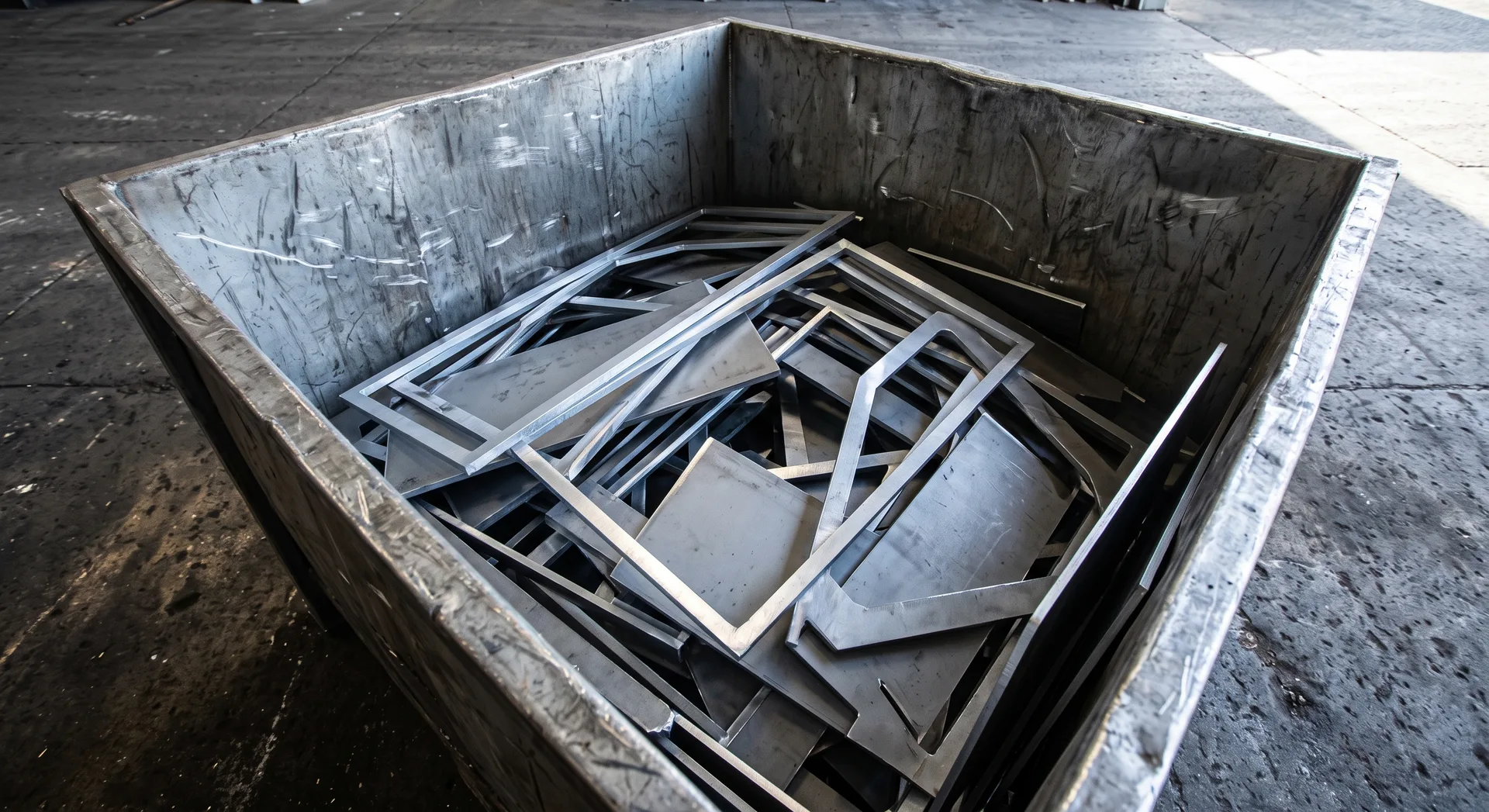
Held to that question, these minerals divide into three groups, and the division is the reason this page exists. Some are recovered as a matter of course: titanium alloy from manufacturing and from decommissioned equipment is worth the effort of collecting, and the systems to do it are long established. Some are recoverable in principle and increasingly in practice, magnets from motors and generators being the clearest case, where the obstacle is dismantling rather than chemistry. And some are simply not recoverable, whatever effort is applied. A pigment particle bound into a painted surface is not waiting somewhere to be collected; it has been dispersed beyond any process's reach. A page that implied otherwise would be misleading about circularity for the very minerals this hub follows most closely.
Practice and measurement are the two halves of it: collection systems work poorly for products containing small quantities of valuable material, a recovery rate depends heavily on where the boundary is drawn and at which point in a product's life it is counted, recovery carries its own environmental cost where a process is chemically demanding, and recovered streams raise handling questions of their own when they carry contaminants or naturally occurring radioactivity.
The counterpart page is Recycling under Markets & Economics, which asks what recovered material does to supply rather than what recovery achieves environmentally. Recycling Technology covers the processes in technical detail, Circular Economy the wider frame this sits within, and Rare Earths and Titanium/Rutile the primary production these streams return to.