 ASX: OSM · Orión Project
Minerals Hub / Sustainability / Circular Economy
Sustainability · Section 04 of 09
Circular Economy
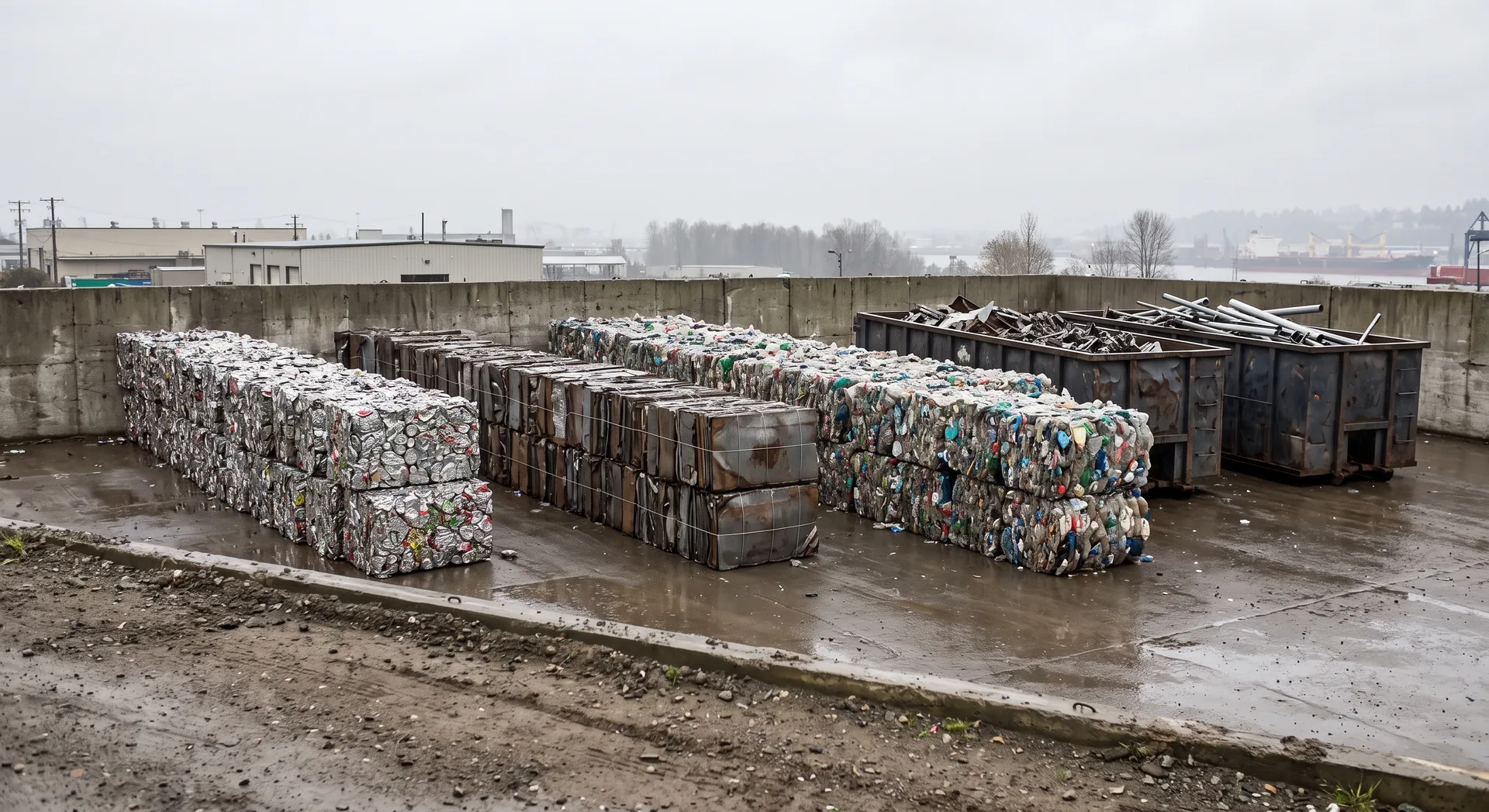
Recovering material at the end of a product's life is one part of circularity, and rarely the largest. Longer service life, products that come apart without being destroyed, and getting more saleable material out of ground already disturbed all sit upstream of collection, and usually count for more. This section takes that wider frame, applied to a mineral set whose products range from paint that lasts a repainting cycle to airframe components that outlive the companies which install them.
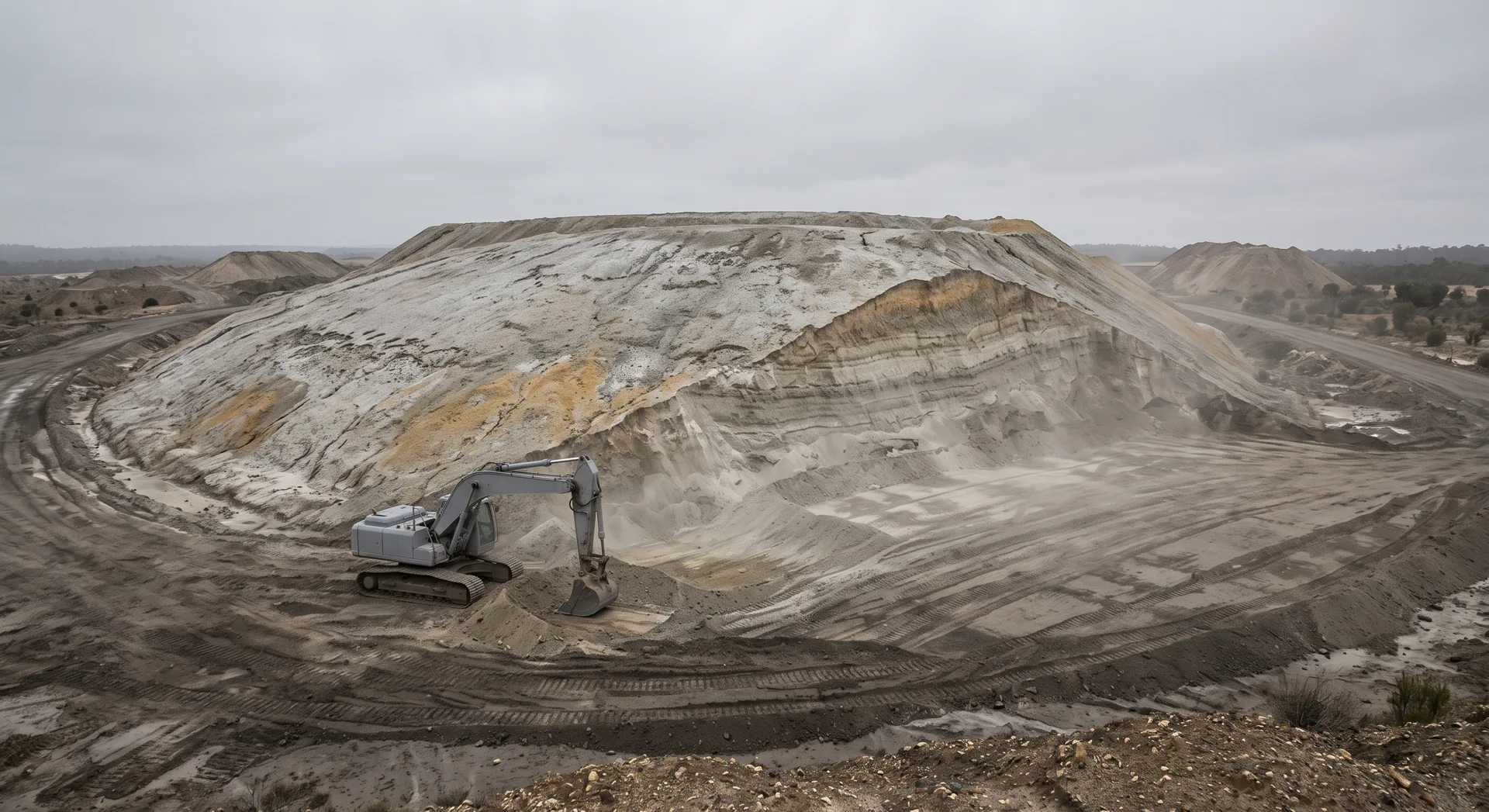
Several of these minerals make unusually good subjects for the argument. Titanium's corrosion resistance means its products often fail for other reasons, so design life rather than material durability sets the replacement rate. Zirconia components in industrial equipment can sometimes be reconditioned instead of replaced. On the production side, a heavy-mineral flowsheet already embodies the principle: what would be a single-product mine elsewhere yields several saleable minerals from one pass, and material that earlier generations of operators discarded — monazite most obviously — is a co-product question rather than a waste question. Old tailings from historic operations sit in the same category, sometimes containing minerals nobody was looking for at the time.
The subject runs from product design through to the residues no process can currently use, taking in the waste hierarchy as regulators apply it, extended producer responsibility where it reaches these materials, and the distance between circularity as a policy aspiration and as an operating decision. A good many claims of circularity do not survive examination of that distance.
Recycling (Sustainability) narrows to end-of-life recovery specifically, and Recycling Technology covers the processes that make it possible. Rehabilitation deals with returning disturbed land to use, Environmental Management with residues while an operation runs, and Rare Earths with the co-product question raised above.