 ASX: OSM · Orión Project
Minerals Hub / Applications & Industries / Electronics
Applications & Industries · Section 06 of 11
Electronics

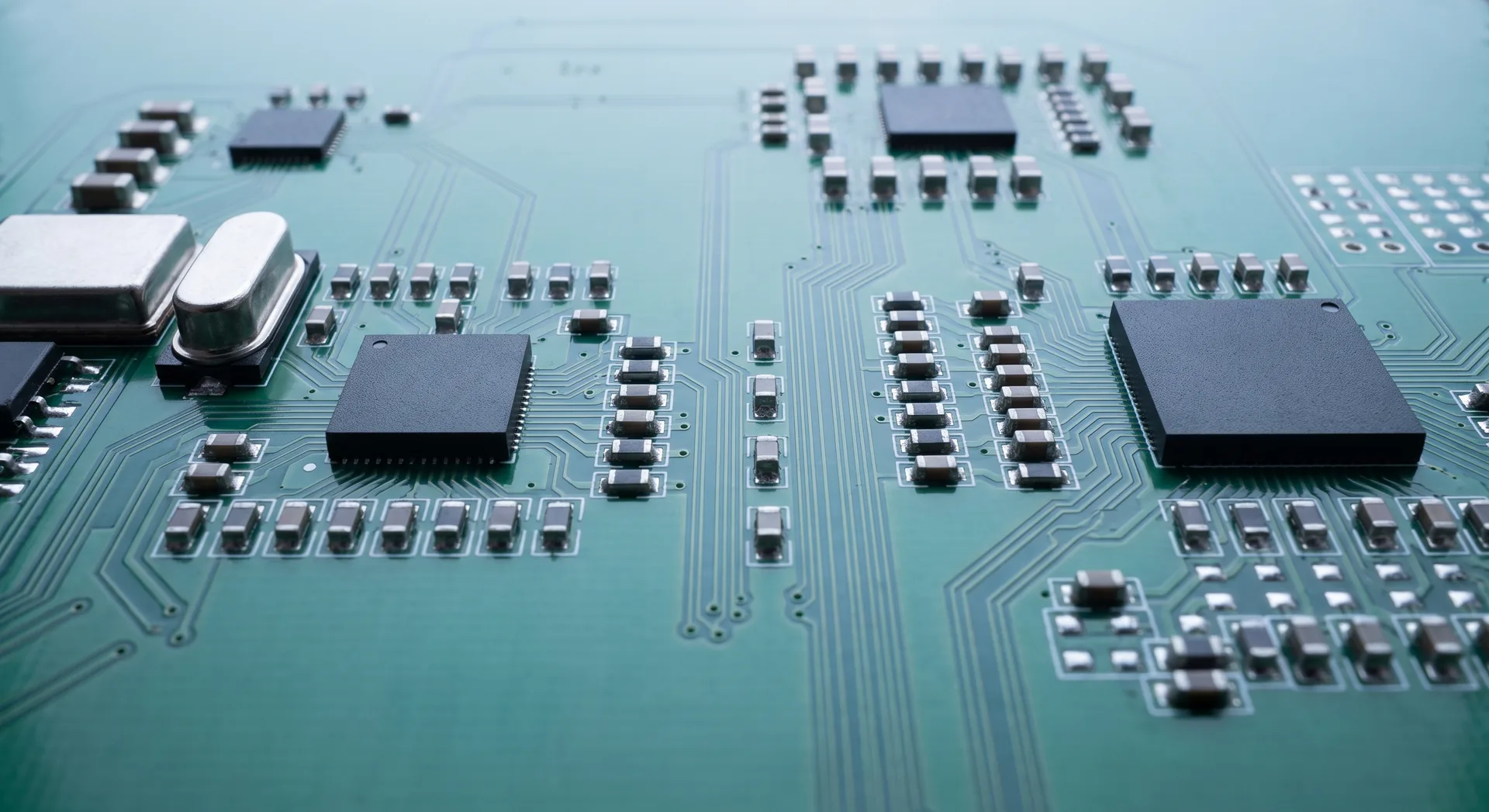
Electronics consumes these minerals in tiny amounts and enormous numbers. A single device may hold a fraction of a gram of magnet material, a pinch of rare-earth phosphor and a quartz crystal smaller than a grain of rice — but multiplied across everything manufactured in a year, those fractions become a demand stream of real consequence. This section is about the finished devices rather than the chips inside them.
Miniature neodymium magnets sit in speakers, microphones, haptic motors and camera modules. Rare-earth phosphors give displays and lighting their colour, europium and terbium among them. Zirconium and titanium compounds go into the dielectric ceramics of multilayer capacitors, which are used in quantities few other components approach, while zirconia serves in wear-resistant and insulating parts. Quartz supplies the resonators that keep time in almost every clocked device. Each of these traces back to the same four-mineral assemblage — zircon, monazite, xenotime and the titanium minerals — but through separate processing industries that rarely appear in the same discussion.
The component level is where those uses become legible: a mineral becomes a magnet, a phosphor or a ceramic body by a distinct manufacturing route, and miniaturisation raises performance requirements even as it lowers mass per unit. Recovering material from consumer electronics is correspondingly difficult, since the quantity in each device is small and the assembly is not designed to come apart. Component manufacture is regionally concentrated as well, in a pattern that does not match where the devices are sold.
The material trails lead to Rare Earths, Zirconium/Zircon and Silica/HPQ. Semiconductors sits one level up the chain, Telecommunications covers the network equipment these devices connect to, and Recycling Technology addresses the recovery problem this page raises.