 ASX: OSM · Orión Project
Minerals Hub / Geography & Supply Chains / Logistics
Geography & Supply Chains · Section 05 of 07
Logistics
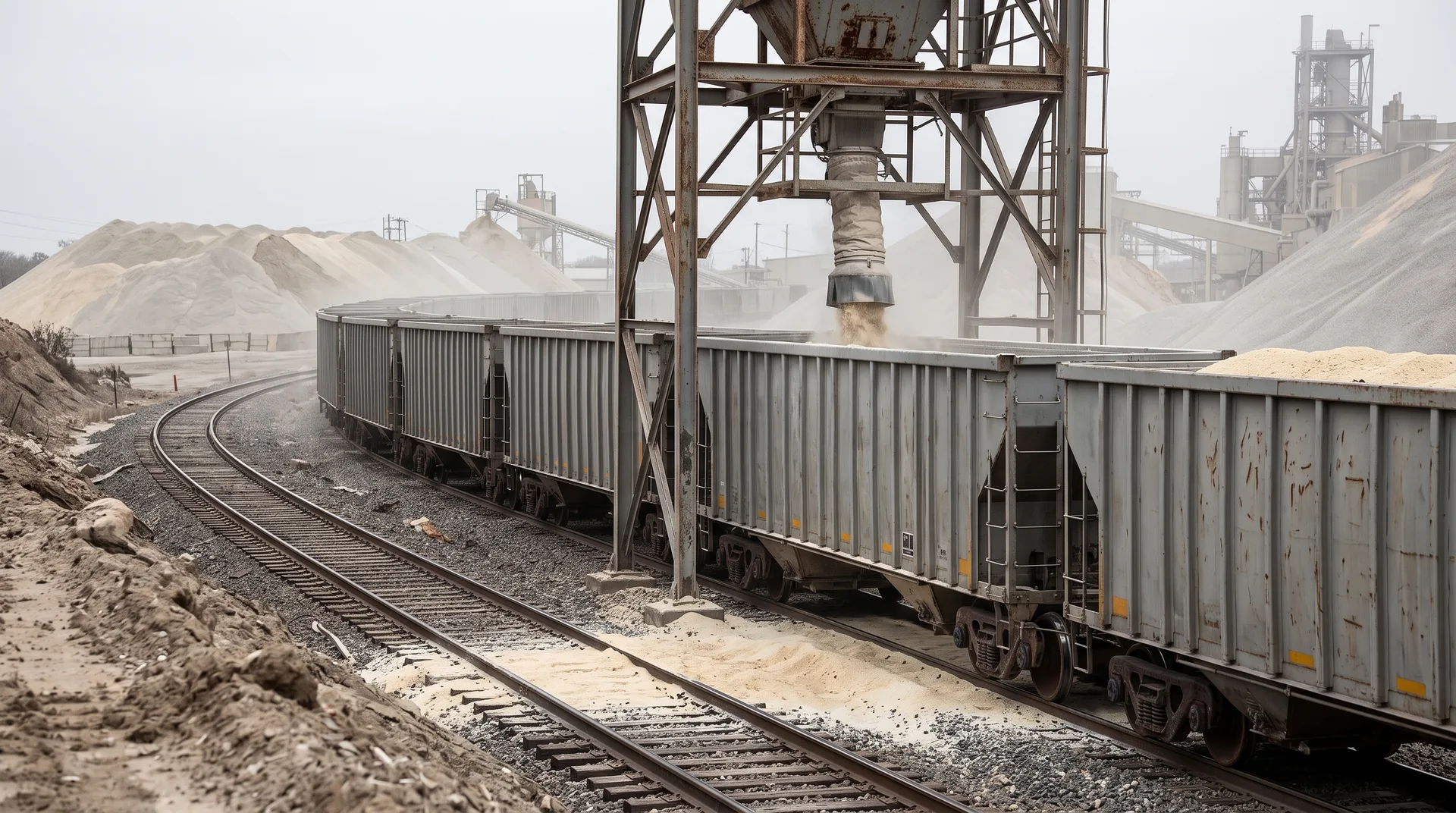
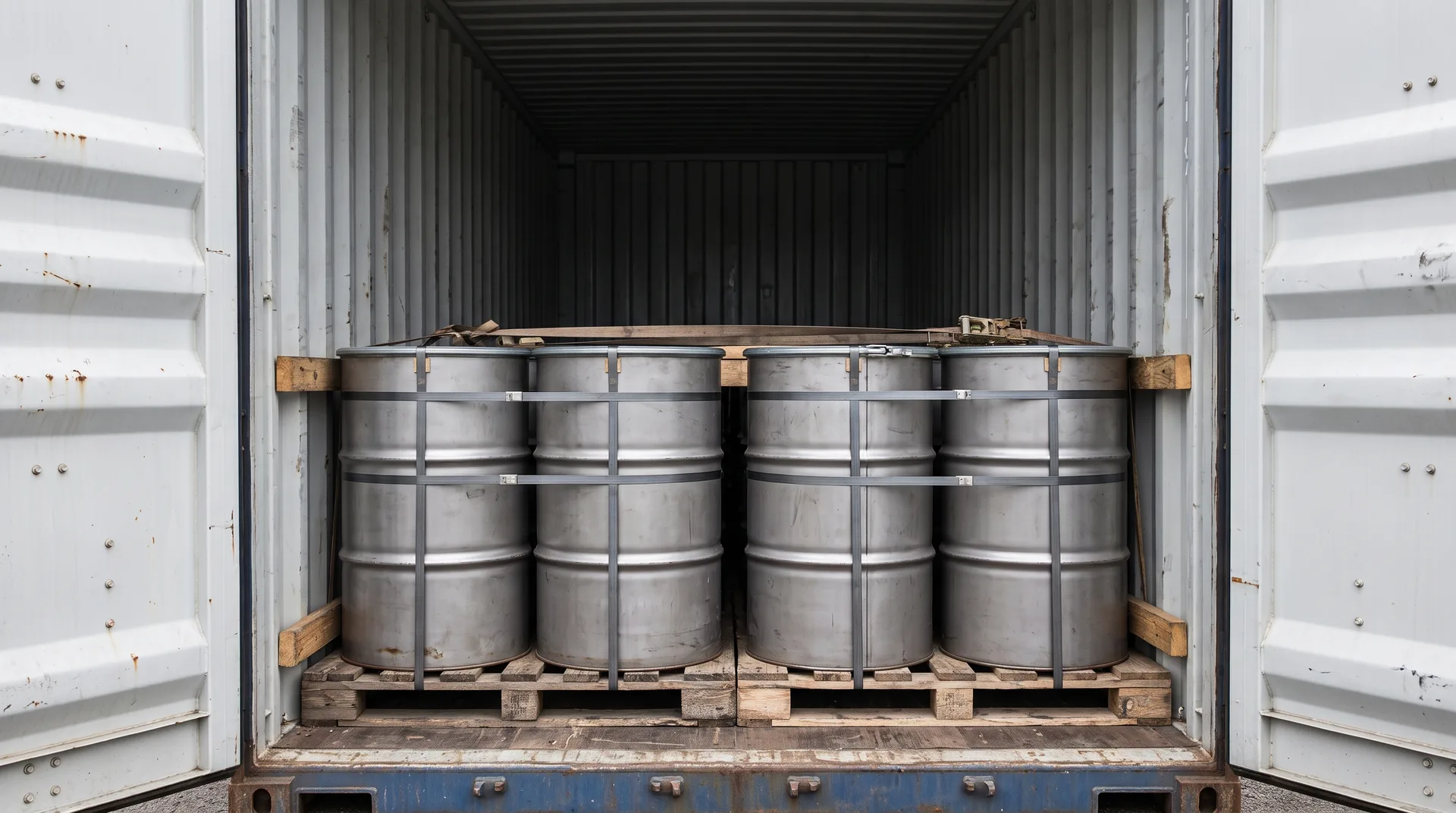
For the first part of their lives these minerals move as heavy cargo worth relatively little per tonne, which makes handling cost a serious share of what the material is worth and puts inland transport distance near the top of the list of things that decide whether a deposit works. By the time the same atoms reach a buyer as separated oxide or metal, they travel in drums by container or air freight and the transport cost has become trivial. Few materials change character so completely along one chain, and this section follows both ends of it.
The practical detail is where the subject earns attention. Mineral concentrates are shipped in bulk or in containers depending on volume and destination, with moisture content governed because cargo that liquefies at sea is a well-known hazard. Dust control applies through every transfer point. Monazite-bearing streams engage transport rules for materials carrying naturally occurring radioactivity, which affect packaging, documentation and which carriers will accept the consignment at all — a constraint that surprises people encountering this mineral group for the first time. Storage matters too, since heavy mineral products are hygroscopic to varying degrees and segregation between similar-looking products is a quality control problem as much as a housekeeping one.
The chain from mine gate to buyer's gate is made of specific things: haulage, rail, port handling and storage, vessel and container types, documentation, and the insurance and liability arrangements sitting behind a shipment. Where regulation governs handling, the rules are detailed enough to reward reading in full rather than summarising in passing.
Export Routes covers the corridors this movement uses, and Global Trade the commercial terms attached. Ore Processing determines the product being moved, Regulation the handling rules that apply, and Supply Chain Risk what happens when a link in this sequence stops.