 ASX: OSM · Orión Project
Minerals Hub / Mining & Production / Mining Methods
Mining & Production · Section 02 of 08
Mining Methods
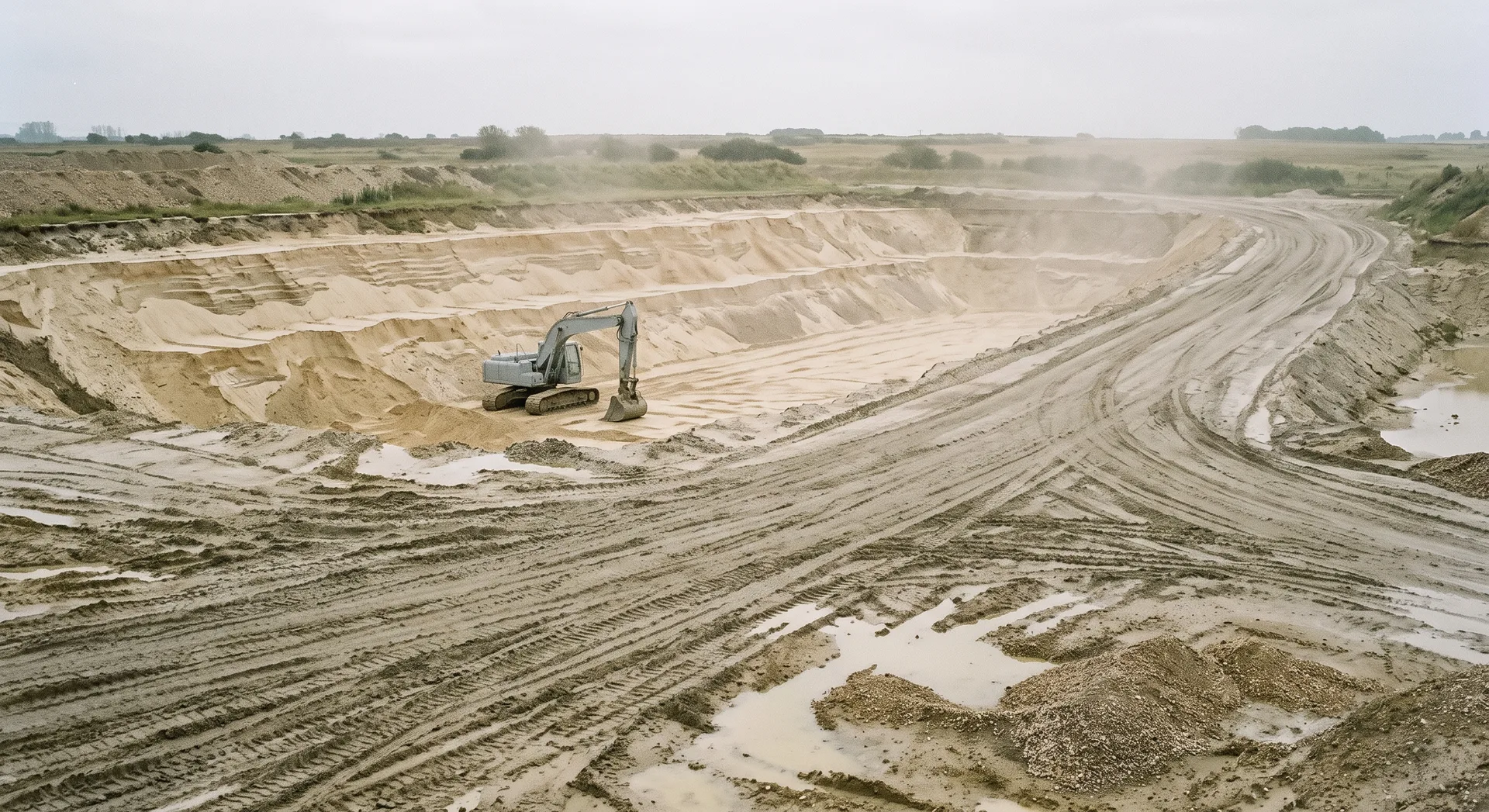
How a heavy-mineral deposit is mined depends far less on the minerals than on the ground holding them. The same assemblage can sit in loose dune sand, in a water-saturated strandline, or in a palaeo-placer cemented hard enough to need blasting, and each of those calls for a different operation entirely. This section is about that choice and what governs it.
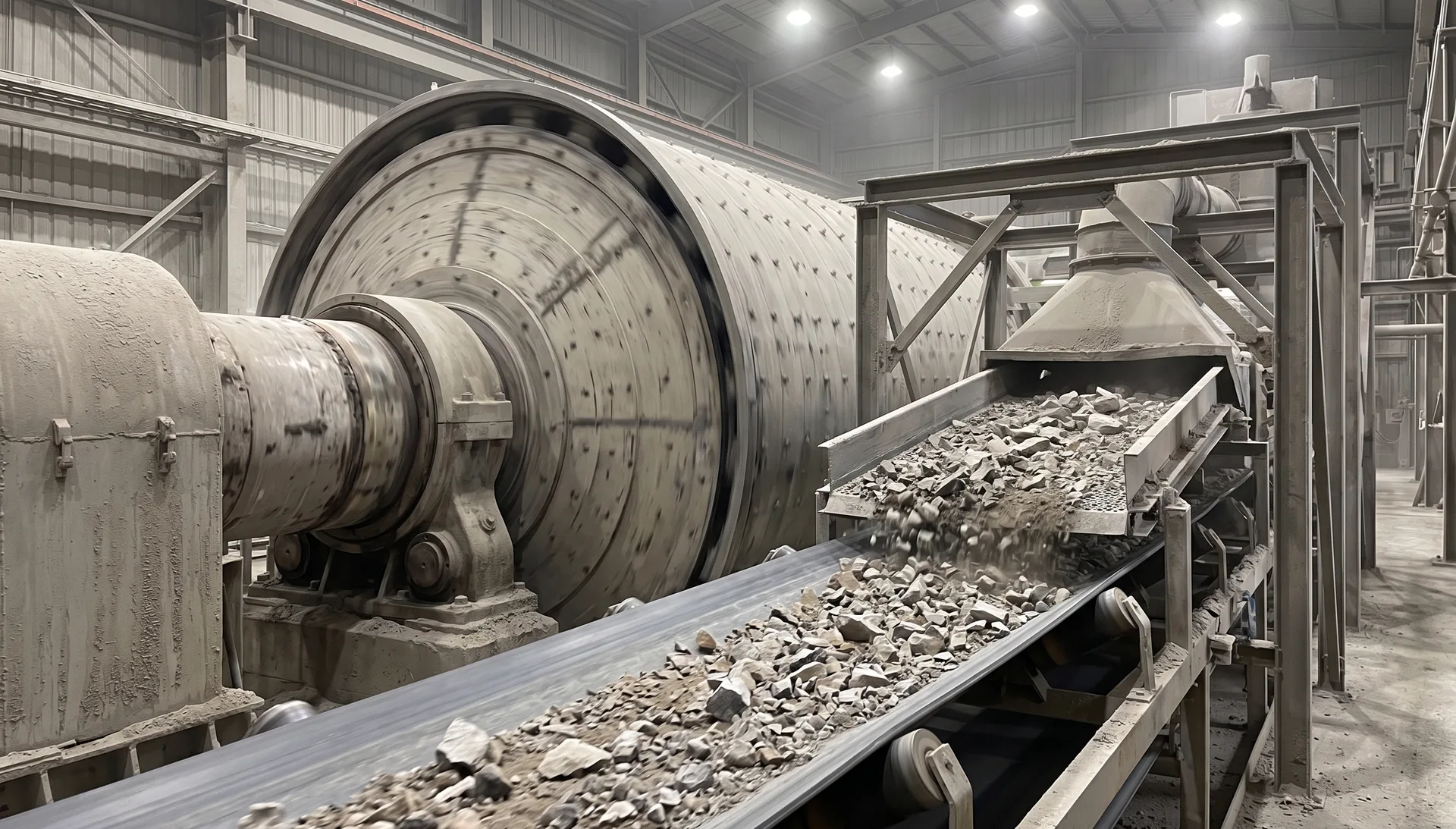
Three broad approaches account for most of the industry. Dredging floats a cutter or suction unit in a pond that advances with the mining face, carrying ore to a concentrator that moves with it — efficient where the deposit is thick, below the water table and continuous. Dry mining uses conventional earthmoving, with dozers, scrapers or excavators feeding a mining unit, which suits deposits that are shallow, discontinuous or in places where a pond cannot be maintained. Indurated or cemented material is a different problem again, closer to conventional quarrying, requiring blasting or ripping and a crushing stage before anything can be separated. Water availability, depth of overburden, the strength of the host material and the sequence in which land must be released back all push the decision one way or another.
The trade-offs between those methods are the substance of the choice: selectivity against throughput, capital against operating cost, mining sequence against progressive rehabilitation, and the common case of an operation using more than one method across a single deposit. A study choosing between them reasons outward from the ground conditions rather than inward from a preferred method.
Ore Processing takes over where extraction ends, and Rehabilitation runs alongside rather than after. Mine Automation covers what is being automated in these operations, Water the resource that constrains the wet options, and Equipment Suppliers the manufacturers behind the machinery described here.