 ASX: OSM · Orión Project
Minerals Hub / Oxides / Neodymium oxide
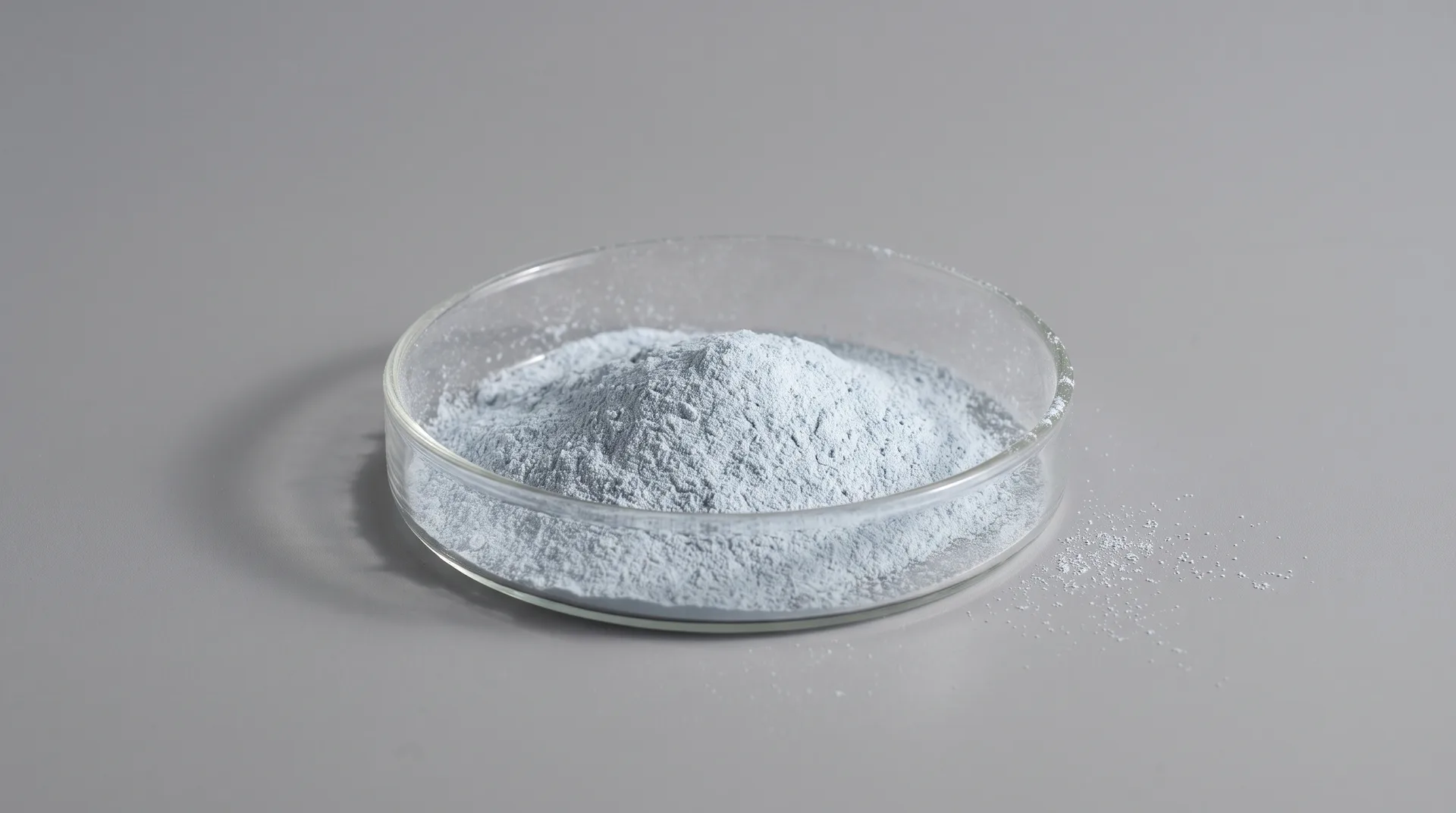
Neodymium oxide
Nd₂O₃ · light rare earth
Neodymium is the only one of the five whose required quantity is set by the mass of the magnet rather than by a performance threshold — it is the volume anchor the separation chain is sized around, not an additive.
Neodymium oxide is a light rare earth oxide — a simple sesquioxide, and the form in which neodymium is traded before it is reduced to metal. The light/heavy split is not a marketing label. It describes ionic radius, and ionic radius is what solvent extraction separates on, so the light oxides come off the front of the separation train in fewer stages than the heavies behind them. That position is the single largest reason Nd₂O₃ exists as a routine commercial product rather than a specialty one.
What Nd₂O₃ does that the other four do not is carry the volume. In general terms, neodymium is structural in an NdFeB permanent magnet: it sits in the magnetic phase itself, so the quantity required is set by how much magnet is being made, not by a performance threshold that engineers can design around. The heavy additives are fractions added to a body that is mostly neodymium, iron and boron. The consequence runs through the whole chain — separation circuits are sized for neodymium throughput, and the other rare earth oxides in the same stream behave as co-products around it. Reduce the neodymium content of a magnet and you are no longer making that magnet.
Osmond's reported figures do not itemise neodymium. In preliminary metallurgical testwork at SGS Lakefield (3 March 2026), a monazite concentrate graded 19.4% TREO excluding yttrium at approximately 76% recovery through a -38 µm flotation / WHIMS stream, and that concentrate included 25% MREO — a single group figure covering neodymium, praseodymium, dysprosium and terbium together. It is a concentrate grade for that testwork, not a deposit grade, and it cannot be attributed to neodymium alone. Orión has no JORC-compliant Mineral Resource or Reserve; a maiden MRE and Scoping Study are targeted for Q3 CY26.
On supply: separation and downstream metal-making capacity is concentrated, and EU import reliance on rare earths is approximately 100%. A monazite concentrate is not a saleable oxide, so what changes that picture is separation capacity, not concentrate alone.